Shifting Focus: Emphasising Trade Skills Over Traditional Degrees
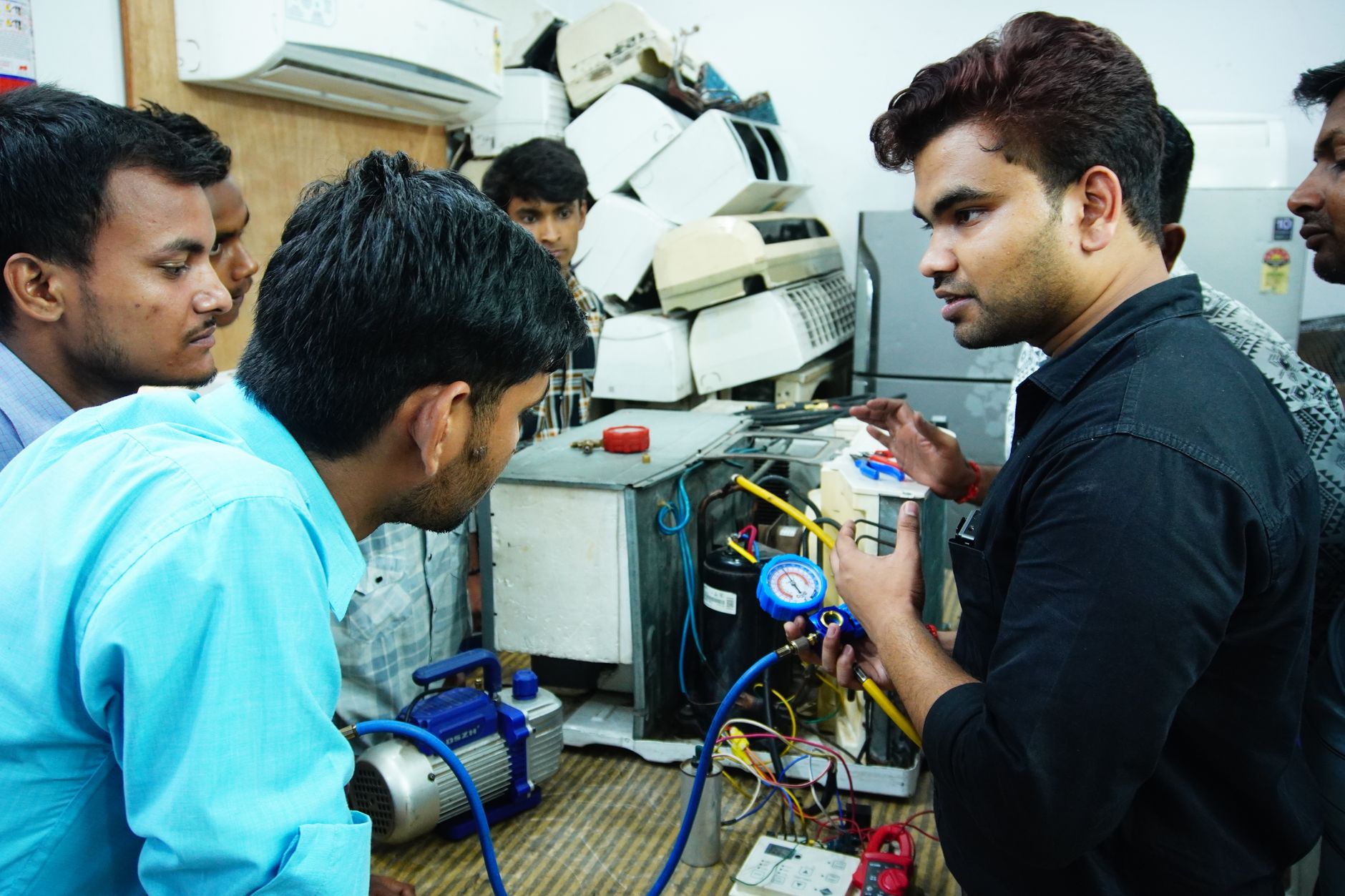
As the world grapples with the transformative impact of artificial intelligence, India's Chief Economic Advisor, V Anantha Nageswaran, has issued a clarion call to the nation's youth. He contends that the era of software engineering and MBA degrees, once seen as passports to prosperity, is drawing to a close. Instead, he urges a pivot towards trade skills and professions rooted in human interaction.
Speaking in New Delhi, Nageswaran highlighted the reality of an increasingly fragmented global economy, where traditional services are progressively being automated. "The skills that will thrive in this new world are those that machines cannot easily replicate," he remarked. He pointed to caregiving, plumbing, and other trade skills as areas of enduring relevance.
India, long benefitting from a burgeoning IT sector, now faces a critical juncture. The demand for software professionals and business administrators is not vanishing overnight, but the landscape is shifting. Nageswaran's comments reflect a broader trend towards valuing skills that AI and automation cannot easily supplant.
While some may view his statements as a stark warning, others see them as a pragmatic recognition of future trends. Education systems, too, may need to adapt, placing greater emphasis on vocational training and practical skills. This shift is not solely an economic adjustment but a cultural one, challenging deep-seated perceptions of educational success and career prestige.
Nageswaran's exhortation is more than just a critique of current educational paths; it is an invitation to embrace change. As industries evolve, so too must the aspirations of those entering the workforce. This realignment offers the potential for a more resilient and diverse economy, better equipped to withstand the vicissitudes of technological progress.