SpaceX Dragon Makes Triumphant Return with Vital Research
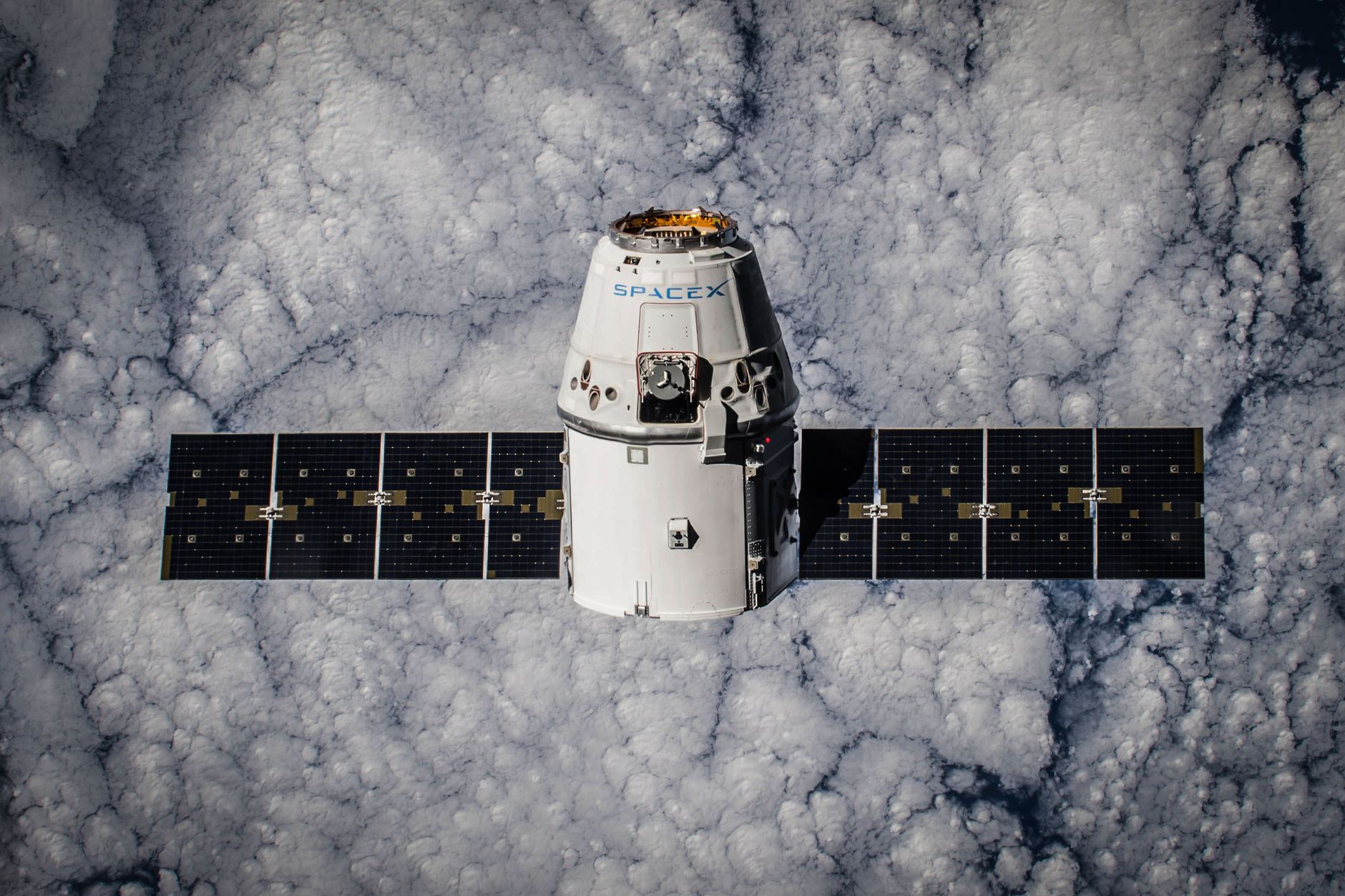
The Pacific Ocean witnessed a splash reminiscent of a triumphant return, as the SpaceX CRS-34 Dragon capsule completed its journey from the International Space Station (ISS). Laden with crucial scientific experiments and research samples, the Dragon's descent represents a pivotal moment for NASA’s ongoing exploration of space’s impact on human biology and material science.
Having undocked from the ISS, the Dragon navigated its way back to Earth, offering scientists a bounty of data to analyse. This mission is particularly noteworthy for its payload, which includes biological samples crucial for understanding how prolonged exposure to space affects human physiology.
Unlocking the Mysteries of Space
The significance of this mission cannot be overstated. As space agencies worldwide set their sights on long-duration missions to Mars and beyond, understanding the effects of space travel on the human body becomes imperative. The samples returned by the Dragon will be instrumental in developing protective measures and treatments for astronauts, ensuring their safety on long voyages.
In addition to biological research, the Dragon carried materials science experiments aiming to test the durability and performance of various materials in the harsh environment of space. Such studies are crucial for the development of new technologies that could withstand the extreme conditions faced during interplanetary travel.
A Collaborative Effort
This mission underscores the collaborative spirit of the international space community. With SpaceX providing the means and NASA leading the research, the partnership exemplifies how private and public sectors can join forces to push the boundaries of what is possible.
As the scientific community eagerly begins to sift through the data, the implications of the findings from the CRS-34 mission may well shape the future of space exploration. The Dragon’s return is not just a conclusion but a new chapter in humanity’s quest to explore the cosmos.