SpaceX Dragon Returns with Crucial Science From ISS
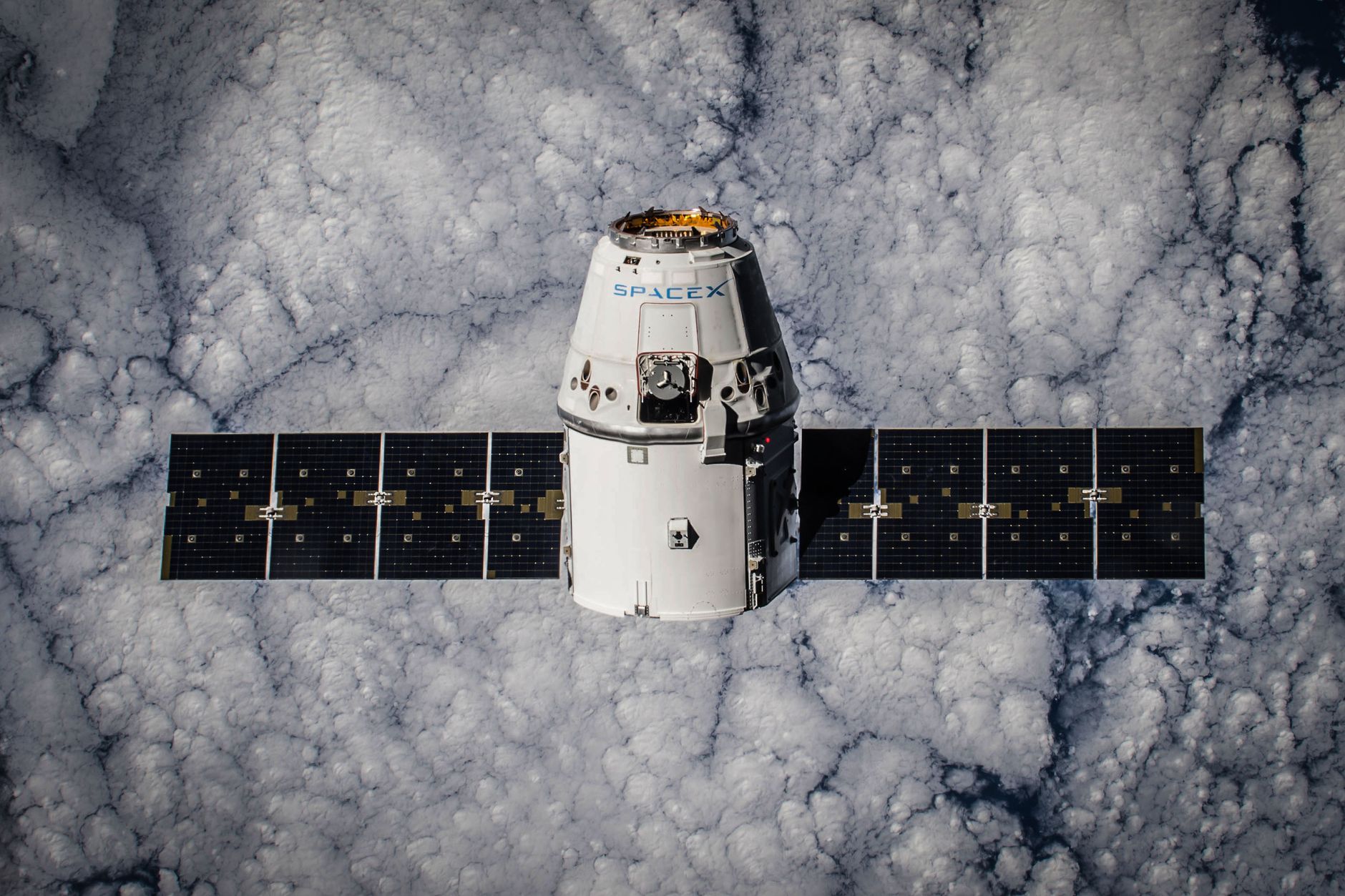
The Pacific Ocean bore witness to a splashdown of cosmic significance as SpaceX's CRS-34 Dragon capsule returned to Earth, brimming with scientific bounty from the International Space Station (ISS). This mission, part of NASA's ongoing partnership with SpaceX, marks the latest chapter in a burgeoning era of commercial space resupply.
Launched on 15 May 2026, the Dragon capsule has spent the past month orbiting Earth, serving as a courier of both supplies and scientific dreams. Its return journey, concluded with a precise splash in the Pacific, is eagerly anticipated by researchers worldwide.
A Treasure Trove of Science
The payload aboard Dragon is nothing short of extraordinary. From stem-cell samples to advanced materials, the capsule carried experiments that could redefine our understanding of biology and physics in microgravity. Such research is crucial not only for space exploration but also for potential breakthroughs in medicine and material science here on Earth.
Scientists are particularly excited about the biological samples. These include studies on ageing and tissue regeneration, which could provide insights into human health and longevity. The materials science experiments, meanwhile, aim to explore new compounds and alloys that could revolutionise industries reliant on advanced materials.
Implications for Future Missions
The success of this mission underlines the importance of collaborative efforts between governmental bodies like NASA and private companies such as SpaceX. Their synergy not only accelerates scientific discovery but also opens new avenues for international cooperation in space.
As Dragon returns to Earth, preparations for the next mission are already underway. The constant rhythm of resupply missions ensures a steady flow of resources and data, fostering an environment where human presence in space becomes sustainable and routine.
In conclusion, the return of the CRS-34 Dragon is more than just a logistical triumph; it symbolises a commitment to exploration and knowledge, with discoveries that could benefit humanity profoundly. The splashdown in the Pacific is a reminder of our small blue planet's vast potential as we reach for the stars.