SpaceX's 34th Mission: Science on the Move to the ISS
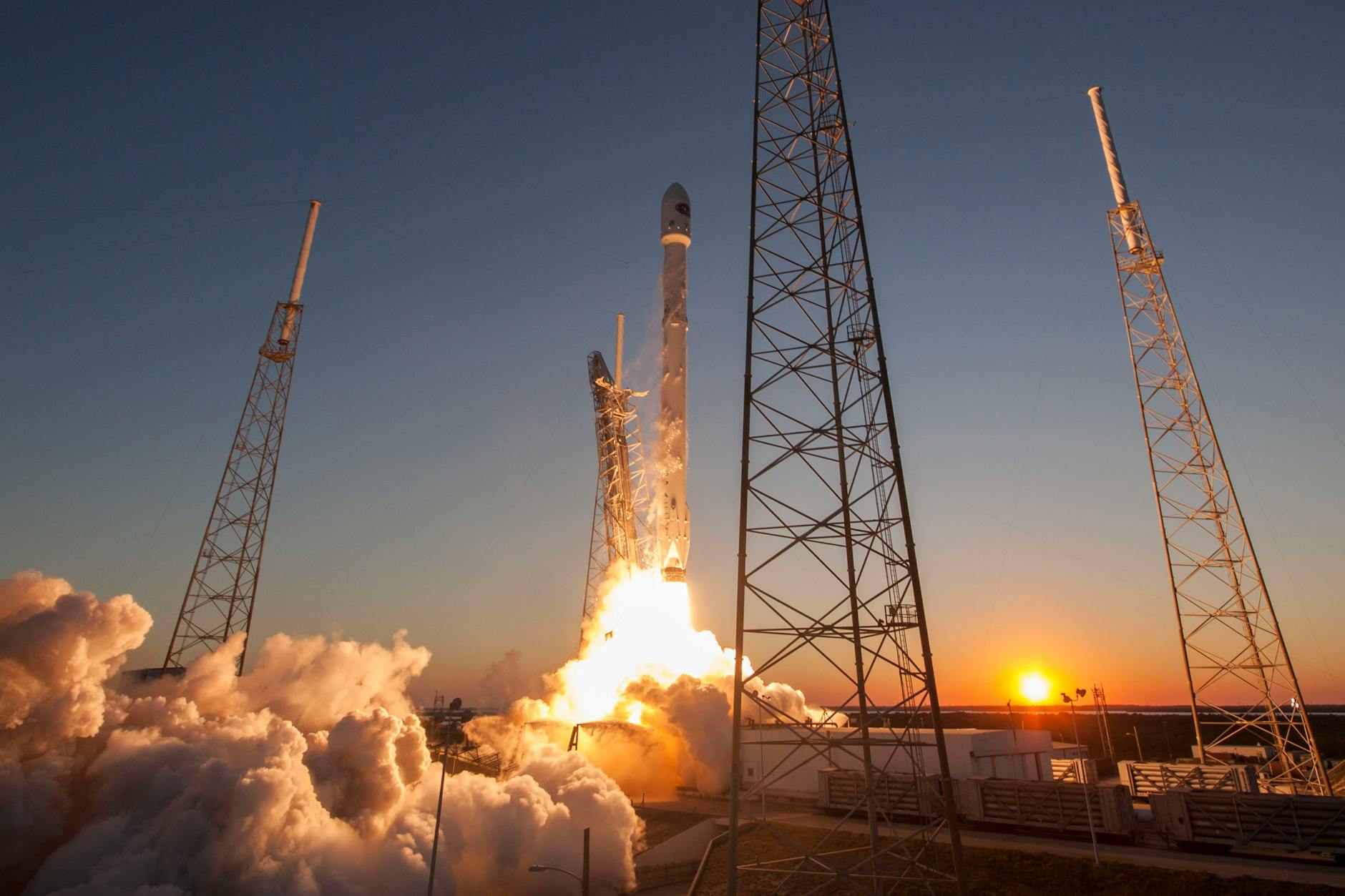
As the sun rose over Cape Canaveral, a sense of anticipation hung in the air, although the skies themselves were less cooperative. The 34th mission of SpaceX, under NASA's Commercial Resupply Services contract, was poised to take flight, carrying with it not just cargo, but the promise of scientific advancement.
The Falcon 9 rocket, a familiar sight by now, stood ready at the launch pad, its payload of scientific experiments and essential supplies destined for the International Space Station (ISS). However, the fickle Florida weather had other plans, necessitating a delay from the original launch date of May 12, 2026.
The Cargo on Board
Amongst the items aboard the Dragon spacecraft are experiments designed to unravel the mysteries of microgravity and its effects on various materials and biological processes. These investigations are crucial, not just for understanding life beyond Earth, but for potential applications that could benefit life on our planet.
Such missions, while routine in appearance, represent a significant collaboration between governmental agencies and private enterprises. NASA and SpaceX have forged a partnership that not only advances space exploration but also demonstrates the utility of commercial ventures in this domain.
Weathering the Storm
The decision to scrub the launch was not made lightly. Safety and precision are paramount in space missions, and adverse weather conditions can jeopardise both. As such, mission planners opted for caution, choosing to postpone rather than risk the integrity of the mission.
SpaceX's ability to adapt and respond to such challenges is a testament to its growing experience and expertise. The company's role in NASA's resupply missions underscores the evolving landscape of space exploration, where private companies are increasingly integral to governmental objectives.
While the delay may have disappointed those eager to witness the launch, it is a reminder of the complexities and challenges involved in space travel. As we continue to push the boundaries of what is possible, each mission contributes to a greater understanding of the cosmos and our place within it.