SpaceX's 34th NASA Resupply Mission: Science and Cargo Head to the ISS
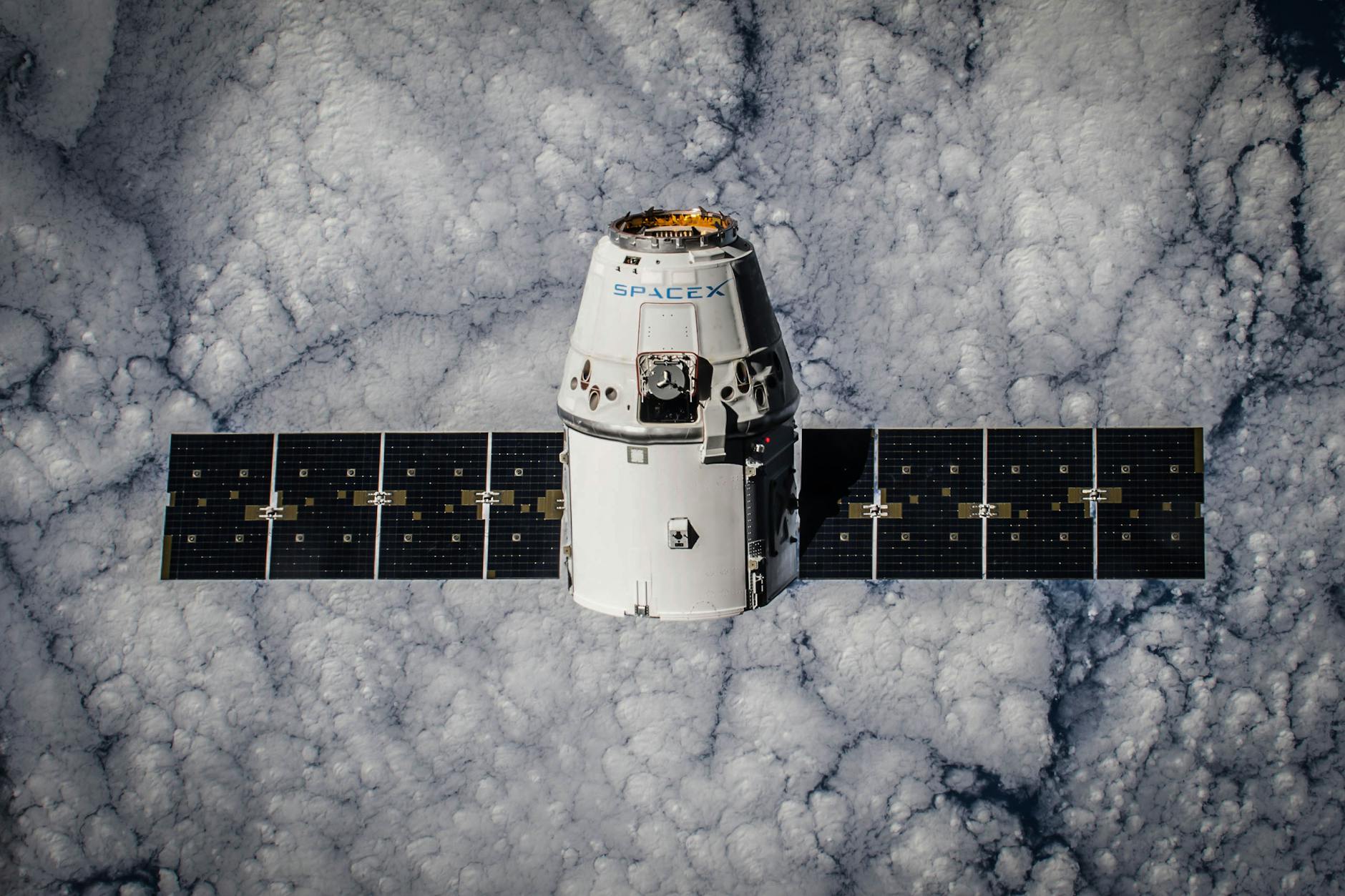
As the sun dipped below the horizon of Cape Canaveral, the skies finally cleared just enough for a long-anticipated launch. SpaceX’s Falcon 9 rocket, gleaming in the twilight, roared to life on the evening of May 15, marking the 34th commercial resupply mission to the International Space Station (ISS) under NASA's contract. The launch had been eagerly awaited after poor weather had scrubbed the initial attempt.
This mission, a testament to human tenacity and technological prowess, carries a veritable treasure trove of scientific experiments designed to push the boundaries of our understanding of space. Amongst the cargo, scientists are particularly excited about a new project to study the effects of microgravity on plant growth, potentially transforming how food is produced in space environments.
Scientific Innovation Aboard
The space station will play host to a range of experiments that will inform future long-duration missions. Notably, one experiment aims to examine the behaviour of fire in zero gravity, providing crucial data for improving safety protocols in space habitats. Another ambitious project focuses on the deployment of small satellites, or CubeSats, which will be released to test new technologies that could revolutionise telecommunications networks.
Such missions are vital, not only for the immediate data they yield but also for the collaborative spirit they engender between NASA and SpaceX. By working together, these organisations are able to leverage their respective strengths, making space exploration more efficient and effective.
A Continuing Partnership
SpaceX's role in NASA's resupply missions has become a cornerstone of the United States' space strategy. Since the inception of the Commercial Resupply Services programme, SpaceX has been instrumental in ensuring the continuous flow of supplies and scientific equipment to the ISS. This latest mission is a continuation of that successful partnership, reflecting the trust and reliability SpaceX has built over the years.
As the Falcon 9 glided through the atmosphere, carrying with it the hopes and aspirations of countless scientists, it served as a reminder of human ingenuity and the boundless possibilities that lie within our reach. The mission's success not only advances the frontier of scientific knowledge but also strengthens the collaborative framework crucial for future space endeavours.