SpaceX's 34th Resupply Mission Launches Science to the Stars
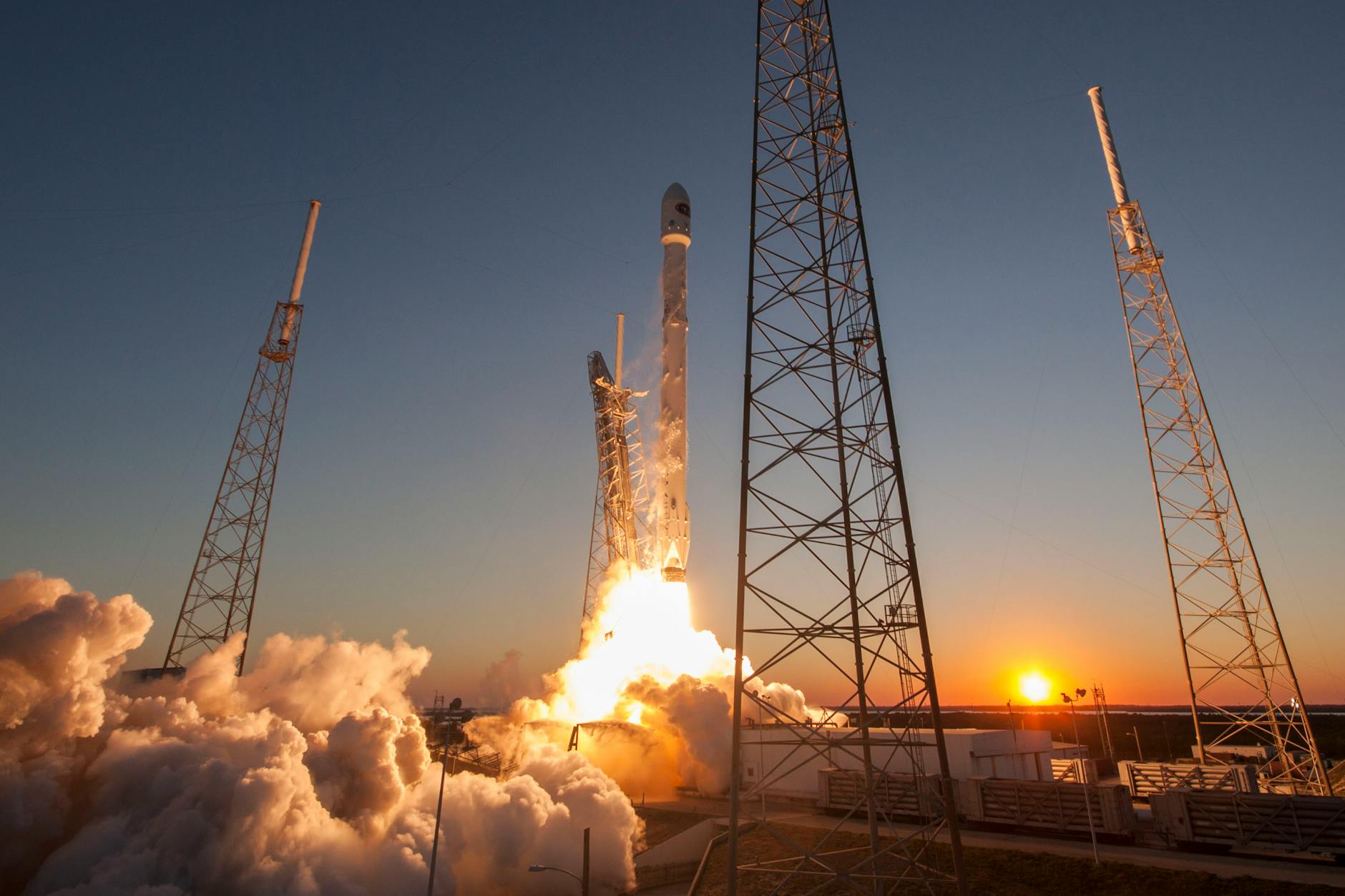
Amidst the towering gantries of Cape Canaveral, SpaceX's latest endeavour took flight, marking the 34th chapter in its ongoing partnership with NASA. The mission, a commercial resupply service to the International Space Station (ISS), carries a payload that is as intriguing as it is vital.
Originally set to launch amidst the humid Floridian evening on May 12, the Falcon 9 rocket stood down due to inclement weather, a reminder that even in the realm of cutting-edge technology, Mother Nature holds sway. Yet, patience rewarded the team as a subsequent window opened, allowing the rocket to ascend into the stratosphere.
A Cargo of Curiosity
Onboard the spacecraft is an array of scientific experiments destined for the ISS. These include research aimed at understanding the impacts of microgravity on human health, as well as projects that could lead to breakthroughs in material sciences. Each experiment has the potential to transcend earthly limitations, offering insights that could reshape our understanding of biology and physics.
Notably, the collaboration between NASA and SpaceX exemplifies a new era of space exploration, where private companies play pivotal roles in augmenting governmental efforts. This partnership not only reduces costs but also accelerates the timeline for missions that might otherwise languish in conceptual stages.
Sonic Booms and Future Dreams
The launch was not without its auditory spectacle. As the Falcon 9 booster returned to Earth, sonic booms echoed across Florida, a testament to SpaceX's prowess in reusability—a cornerstone of its business model. The successful recovery of the booster further cements SpaceX's reputation for innovation.
As the ISS continues to orbit some 400 kilometres above Earth, the latest delivery joins an ongoing cycle of replenishment and inquiry. With each mission, the space station becomes more than an orbiting laboratory; it becomes a beacon of human potential, pushing the boundaries of what we can achieve beyond our terrestrial confines.