Supreme Court Stipulates Educational Standards for Para-Teacher Regularisation
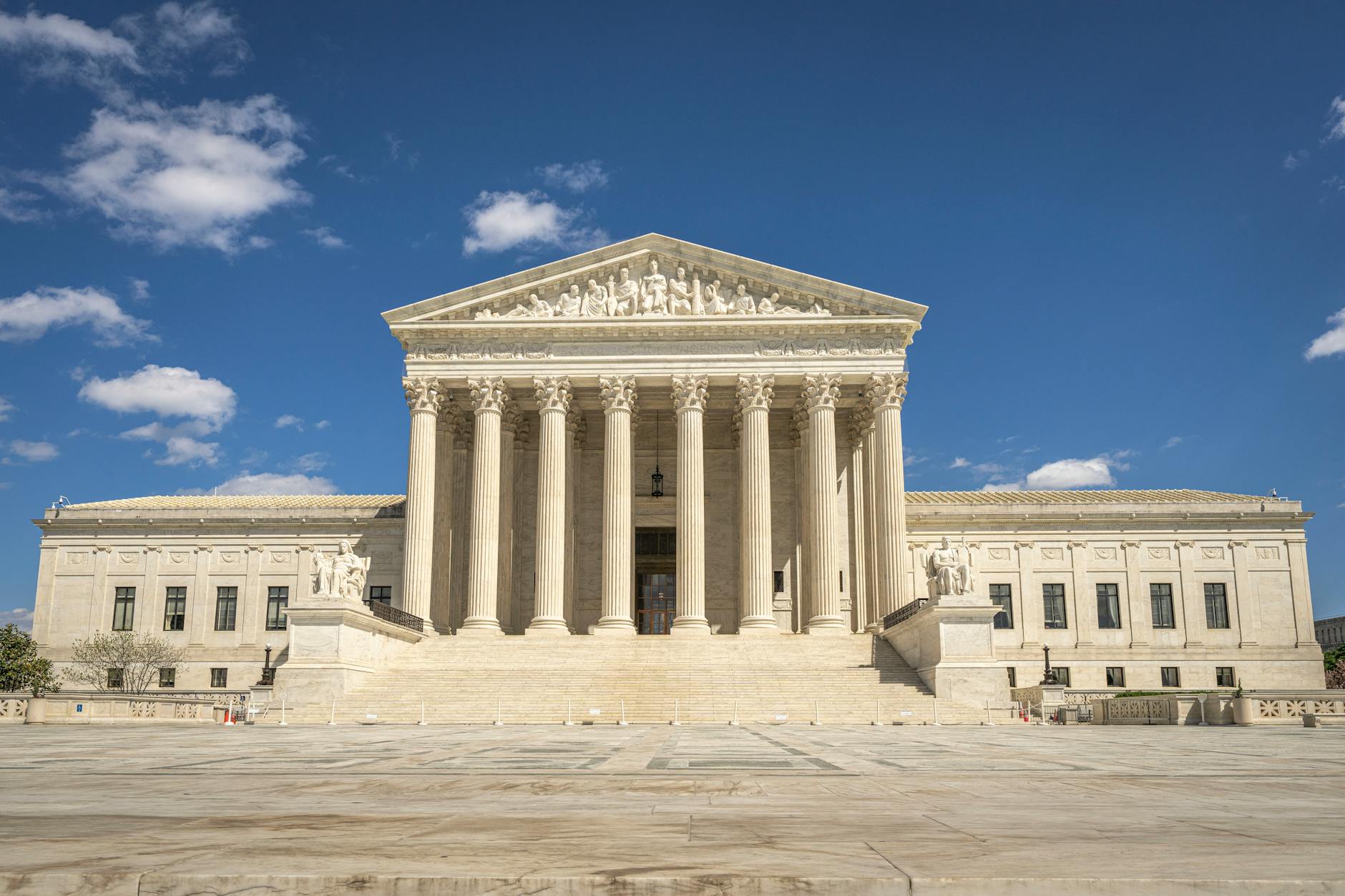
In a decision that could reverberate across India's educational landscape, the Supreme Court has ruled against the automatic regularisation of para-teachers, insisting instead on adherence to educational standards set by the state. The judgement, which addresses the longstanding grievances of para-teachers in Jharkhand, underscores the complex interplay between legal rights and educational policy.
At the heart of the matter lies the demand from para-teachers for regularisation and a pay scale on par with their fully-credentialed counterparts. Despite years of service, these educators have found themselves in a precarious position, lacking the job security and benefits afforded to regular assistant teachers. Protests have erupted as para-teachers voice their frustrations, with large gatherings near the Vidhan Sabha marking the latest in a series of demonstrations.
The Court's decision references the seminal case of Secretary, State of Karnataka v. Umadevi, which established that regularisation cannot be claimed as a right unless the employee has served in a sanctioned post for over a decade through a proper selection process. The Supreme Court reiterated that para-teachers must compete through the state's established selection procedures if they aspire to secure permanent roles.
Implications and Reactions
This ruling has significant implications not only for para-teachers in Jharkhand but potentially for similar cases nationwide. By emphasising the need for educational standards, the court seeks to maintain a balance between recognising the contributions of para-teachers and upholding the integrity of the educational system.
Reactions have been mixed. On one hand, there is a recognition of the need for maintaining high educational standards. On the other, there is deep frustration among para-teachers, many of whom have dedicated years to teaching without the guarantee of a secure future. As protests continue, the state faces the challenge of addressing these workers' concerns while aligning with the court's directives.
As the dust settles, the spotlight remains on the Jharkhand government to navigate this delicate issue, balancing the court's mandate with the aspirations of its educators.