Supreme Court's Environmental Decisions Stir Public Outcry
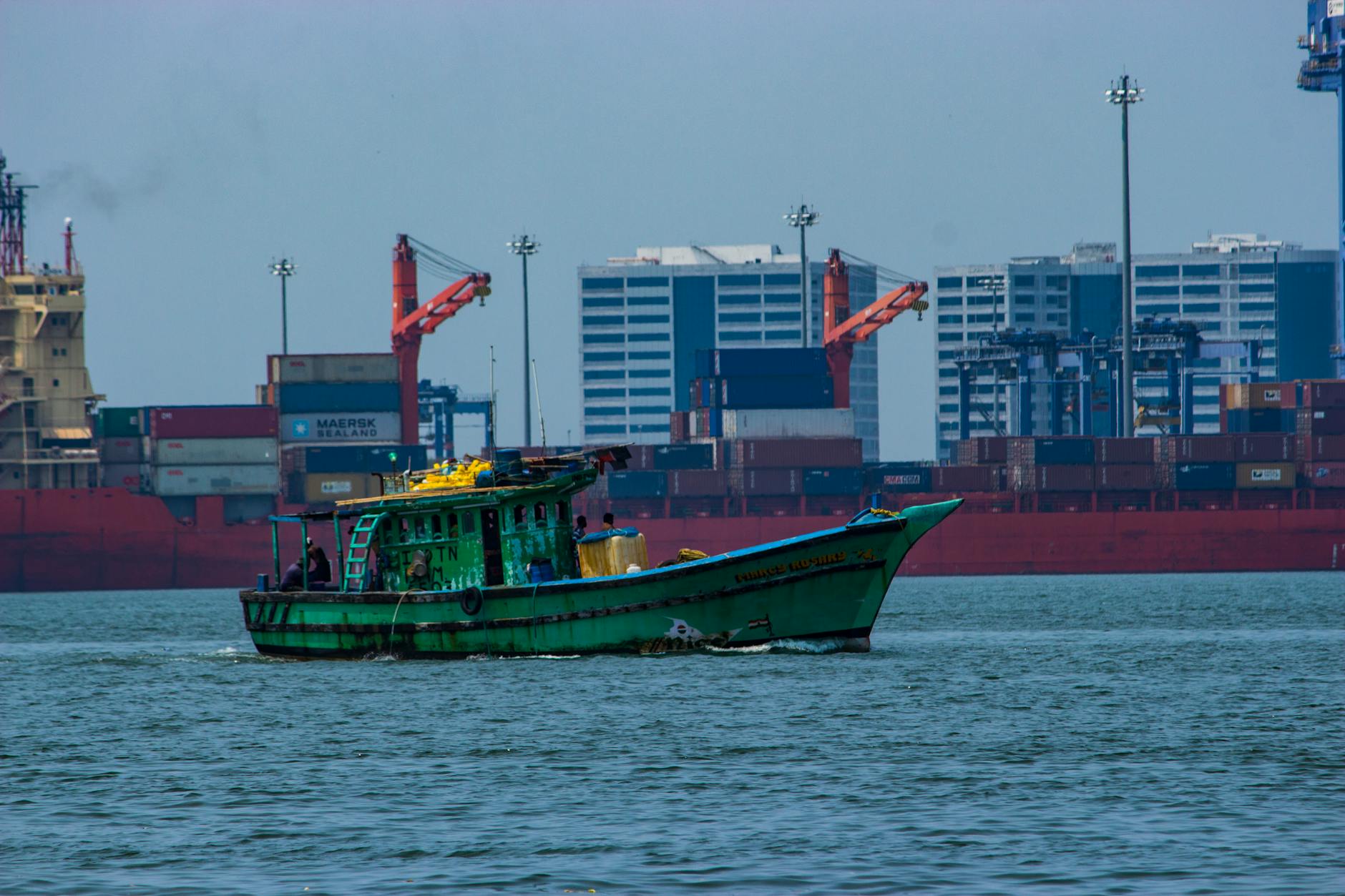
The Supreme Court of India's decision to approve environmental clearance for the development of Pipavav port has sent ripples of concern through ecological circles and local communities alike. The clearance, granted after previous approvals had expired, has reignited the debate between development needs and environmental stewardship. Critics argue that the court's ruling represents a troubling tilt towards economic growth at the expense of ecological preservation.
Local residents, whose livelihoods are closely tied to the natural environment, have expressed dismay over the decision. They contend that the development poses significant threats to the local ecology, potentially disrupting marine life and the surrounding natural habitats. "We've seen how such projects can devastate the environment and our way of life," said one community leader, voicing the apprehension felt by many.
This decision comes at a time when the Supreme Court is under scrutiny for its perceived leanings on environmental matters. Activists claim that the Ministry of Economy's initiatives, including the controversial clearance for Pipavav, reflect a broader governmental trend of prioritising development over sustainable practices. This perception has only been bolstered by recent court rulings that appear to favour industrial expansion.
While the court's actions have drawn ire, the government argues that such developments are crucial for economic progress and employment. However, environmentalists warn that the long-term costs of ecological damage could far outweigh the immediate economic benefits.
As the debate rages on, it serves as a poignant reminder of the delicate balancing act between fostering economic growth and safeguarding the environment. The case of Pipavav port exemplifies the broader challenges faced by nations striving to reconcile these often conflicting priorities.