Supreme Court's Environmental Stance Under Fire Amid Pipavav Port Row
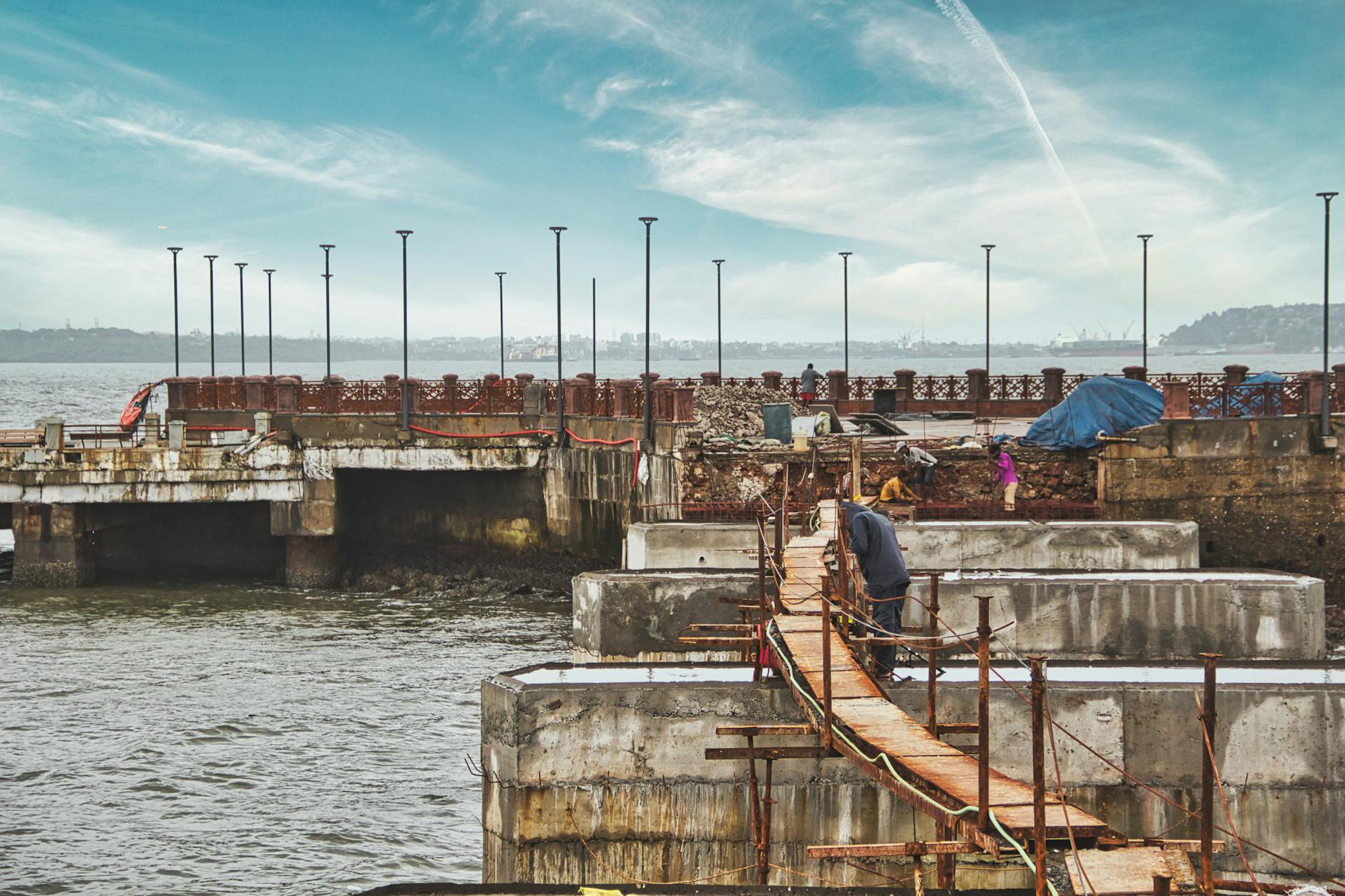
In a move that has stirred a hornet’s nest, the Supreme Court of India has upheld the environmental clearance for the expansion of Pipavav port, a decision that has rapidly drawn the ire of environmentalists and local communities alike. The port, situated in the ecologically sensitive region of Gujarat, has become a flashpoint in the ongoing tussle between development and environmental conservation.
At the heart of the controversy lies the Supreme Court’s perceived shift towards prioritising economic growth over ecological concerns. Critics argue that this decision reflects a broader trend within the judiciary to side with industrial interests, often at the expense of environmental sustainability.
“This ruling sets a dangerous precedent,” commented a senior environmental activist. “It sends a message that economic development takes precedence over the welfare of our ecosystems and the communities that depend on them.”
The Wider Implications
The decision comes amidst a backdrop of increased scrutiny on India's environmental policies. As the world grapples with climate change, the role of judicial bodies in shaping sustainable development has never been more crucial. The Pipavav case is emblematic of the broader challenges India faces in striking a balance between economic aspirations and environmental imperatives.
Local residents have expressed concerns about the impact of port expansion on their livelihoods, citing potential disruptions to fishing activities and the degradation of local ecosystems. Yet, proponents of the project argue that the port will boost economic activity and provide much-needed jobs in the region.
A Call for Judicial Rethink
The Supreme Court's decision has prompted calls for a more nuanced approach to environmental jurisprudence, one that adequately weighs both economic and ecological factors. As India continues on its path of rapid industrialisation, the judiciary's role in safeguarding environmental integrity becomes paramount.
As the dust settles on the Pipavav decision, it remains clear that the debate over development versus environmental protection is far from resolved. The Supreme Court's ruling serves as a reminder of the delicate balancing act required to ensure that progress does not come at the expense of the planet.