Technology's Crucial Role in Tribal Sustainability Unveiled at Seminar
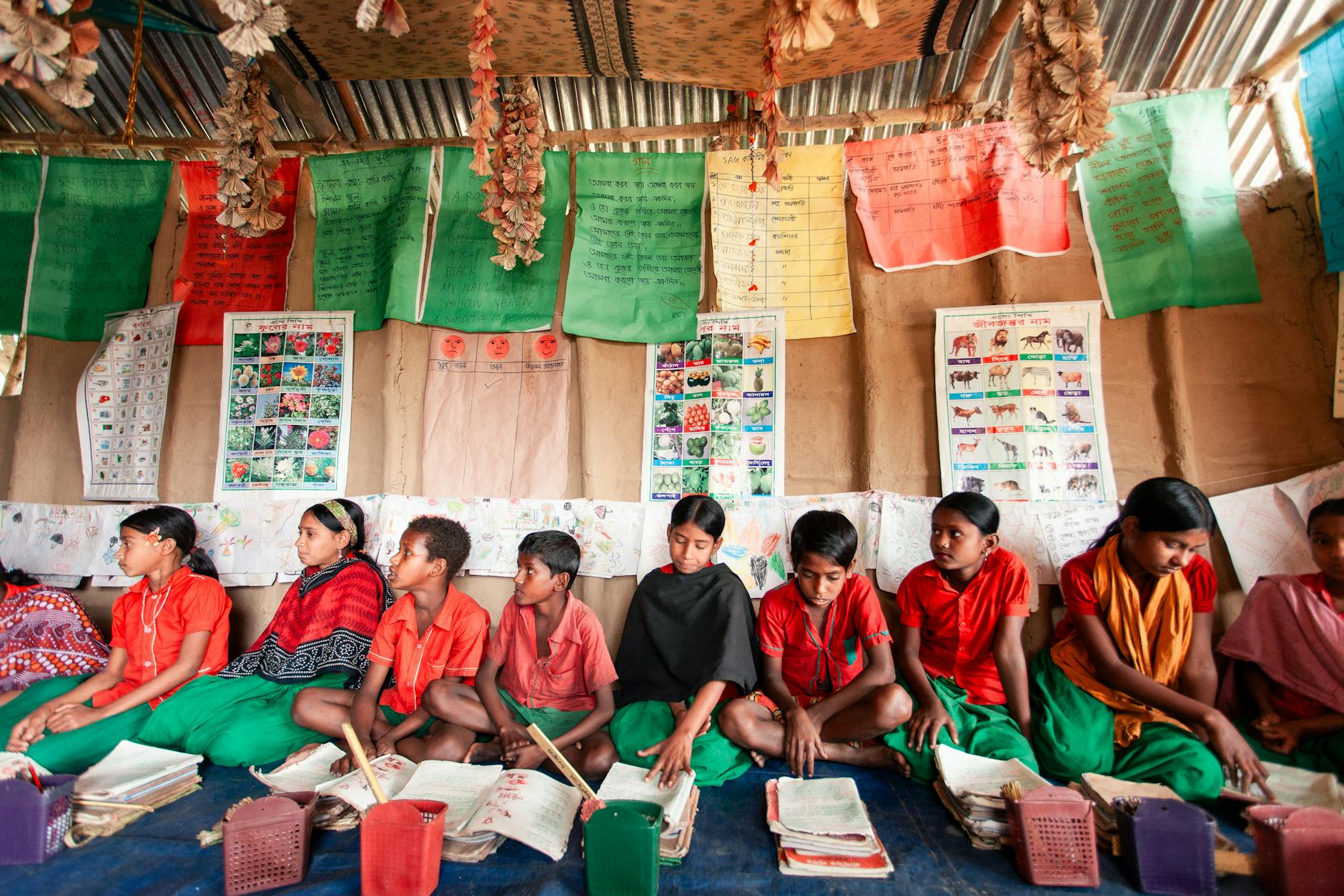
In the vibrant setting of KIRTADS, a seminar recently brought together experts and stakeholders to discuss the pivotal role of technology in the sustainable development of tribal communities. The event was a melting pot of ideas and insights, with Dr. Prashanta Kumar Routray from KISS highlighting the substantial progress made in tribal empowerment through educational initiatives.
Dr. Routray, in his concluding remarks, passionately underscored the importance of retaining students within educational frameworks as a cornerstone for sustainable development. The Kerala Institute for Research, Training and Development Studies of Scheduled Castes and Scheduled Tribes (KIRTADS) hosted this enlightening event, which was attended by a diverse range of participants eager to explore innovative solutions.
The Technological Edge
Technology, particularly Artificial Intelligence (AI), was lauded for its potential to revolutionise access to resources and enhance communication in remote tribal areas. Speakers from the IBRAD Centre of Excellence pointed out that practical and result-oriented projects are essential to enrich the existing knowledge base and address research gaps.
The seminar also emphasised the need for robust governance frameworks and financing to support these technological transformations. The overarching sentiment was that technology should not be an end in itself but a means to achieve inclusive growth and social sustainability.
Education as a Catalyst
Education was recurrently mentioned as a critical enabler of tribal development. The success of KISS in retaining the majority of its enrolled students was cited as a testament to the power of education in fostering empowerment and self-sufficiency among tribal populations.
As discussions unfolded, it became evident that the integration of technology with traditional knowledge and practices could offer a nuanced approach to sustainable development. This synergy is seen as a promising pathway to uplift tribal communities while respecting their cultural heritage.
In conclusion, the seminar at KIRTADS highlighted the indispensable role of technology and education in achieving sustainable tribal development. The discussions have paved the way for future initiatives aimed at marrying technology with traditional practices, ensuring that development is both inclusive and sustainable.