TESS Unveils a Celestial Tapestry of Exoplanets
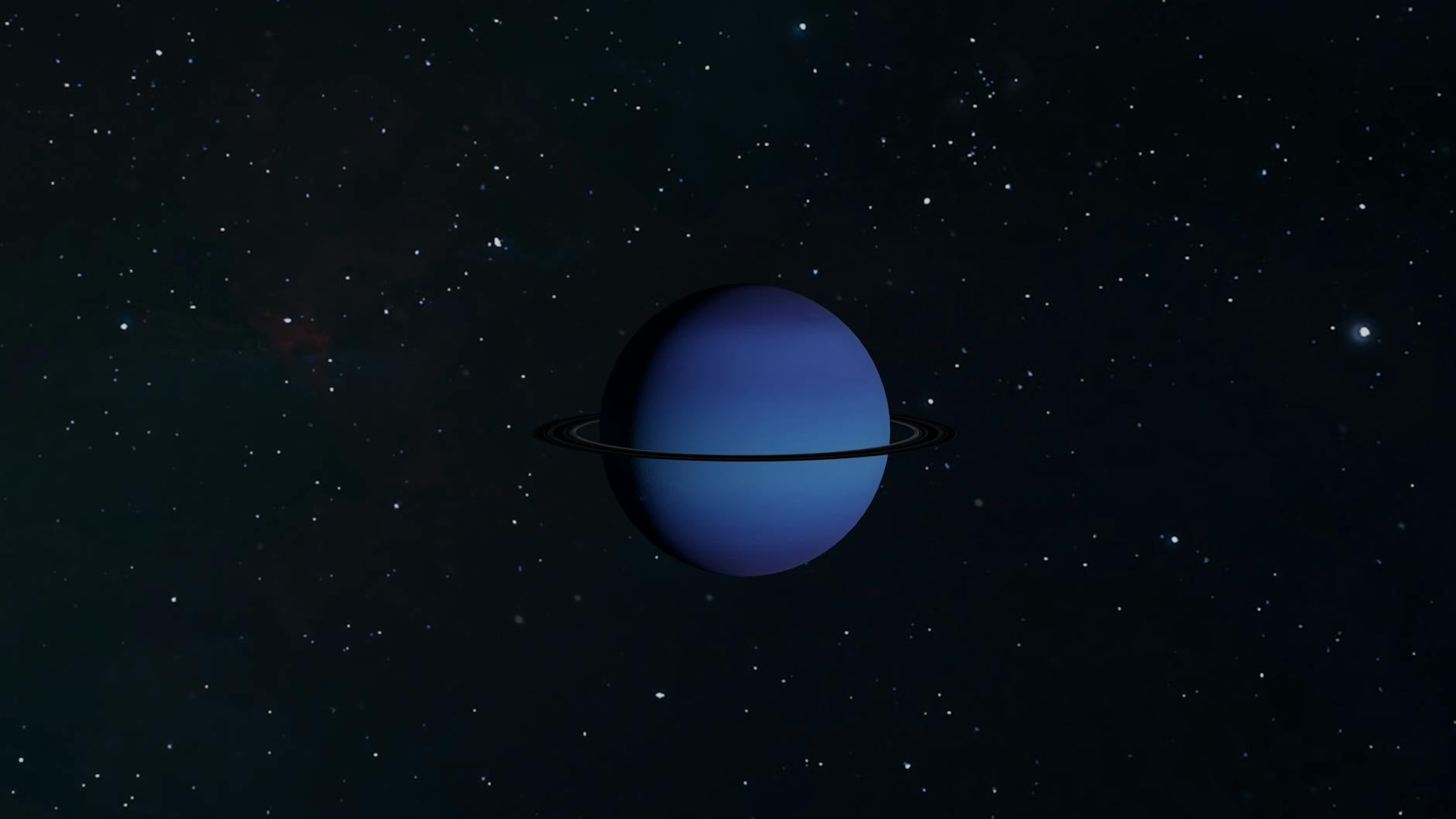
In a dazzling display of the cosmos' secrets, NASA's Transiting Exoplanet Survey Satellite (TESS) has unveiled its most comprehensive view of the night sky. This celestial map, studded with nearly 6,000 coloured dots, marks the locations of confirmed and candidate exoplanets—worlds that orbit stars beyond our own solar system.
Launched in April 2018, TESS has been on a mission to scan vast swathes of the sky, meticulously observing sectors for about a month at a time. Equipped with four powerful cameras, the satellite tracks variations in starlight, identifying potential planets through the subtle dimming that occurs when a planet transits, or passes in front of, its host star.
Revealing New Worlds
The latest release fills in significant gaps left by previous observations, offering a more complete tapestry of our galactic neighbourhood. As of September 2025, this treasure trove of data represents the culmination of TESS's second extended mission, a testament to the satellite's enduring capabilities and the meticulous efforts of scientists involved.
These discoveries are not merely academic; they hold profound implications for our understanding of the universe. Each dot on TESS's map is a potential new world, some possibly harbouring conditions suitable for life. This expands not only our scientific horizons but also our philosophical ponderings on our place in the cosmos.
Bridging the Cosmic Divide
What sets TESS apart is its ability to democratise space exploration. By making this data publicly accessible, NASA empowers citizens to become cosmic explorers from the comfort of their homes. This approach has galvanised interest in astronomy, inspiring a new generation of stargazers and potentially igniting the spark of discovery in future astronomers.
As TESS continues its celestial survey, it serves as a reminder of both the vastness of the universe and the endless curiosity it inspires. While the night sky remains a canvas of mystery, TESS's revelations bring us a step closer to understanding the cosmic art that lies beyond our earthly confines.