Textbook Delay Sparks Concern as Indian Schools Begin New Session
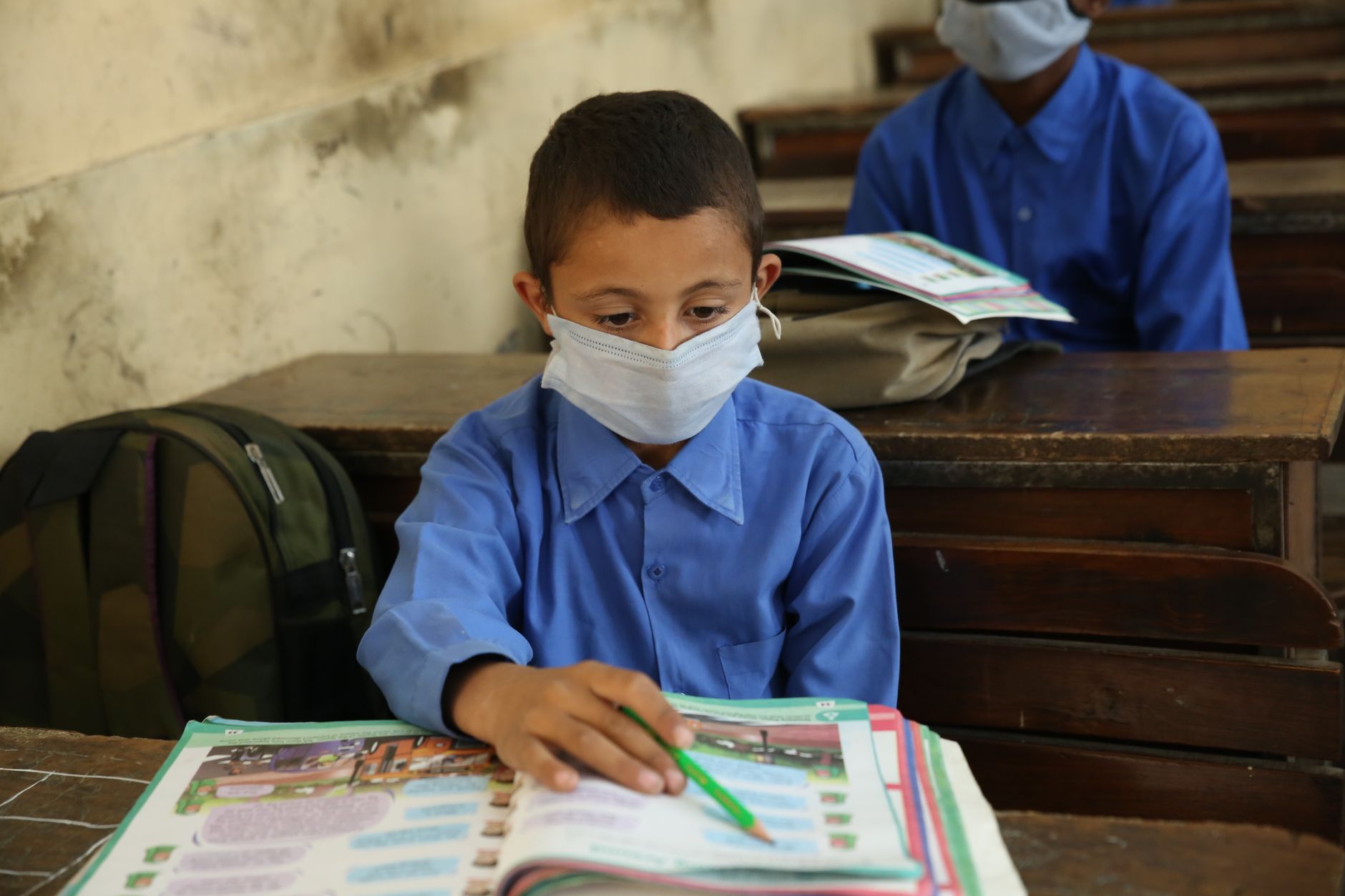
In the bustling corridors of India's educational institutions, a palpable sense of unease pervades as the new academic session commences. At the heart of this disquiet is the absence of the revised Class 9 Social Science textbook, a vital educational resource that has yet to make its way to classrooms.
The National Council of Educational Research and Training (NCERT), the body responsible for preparing and distributing these textbooks, has conceded the delay. The Council attributes this setback to the ongoing implementation of the National Education Policy 2020, which has evidently caused a bottleneck in the syllabus revision and distribution process.
As schools across the nation open their doors to eager students, educators are left to navigate this unexpected hurdle. Many have resorted to using outdated materials, or in some cases, improvising with draft syllabi. This has raised significant concerns among parents and educational experts alike, who fear the adverse impact on students' learning experiences.
The Challenge of Adaptation
For teachers, the challenge is twofold: not only must they convey the prescribed curriculum, but they must also ensure that their students remain engaged and motivated despite the lack of official materials. Some educators have taken to sharing resources digitally, while others utilise older editions to bridge the gap temporarily.
Meanwhile, parents express frustration over the uncertainty surrounding their children's education. "It's disheartening," says one concerned parent. "We trust the system to deliver quality education, yet these delays leave us questioning its efficacy."
Looking Ahead
NCERT, on its part, has assured that efforts are underway to expedite the printing and distribution of the missing textbooks. The Council has noted that over 90 lakh Class 9 books have already been published, aiming to mitigate the shortage. The revised textbooks, aligned with the NEP 2020 framework, are expected to reach schools soon.
Yet, as the days pass, the impatience grows. The delay not only disrupts the academic calendar but also casts a shadow on the broader goals of educational reform. It underscores the complexity involved in overhauling a national curriculum and the need for meticulous planning and execution.
In the interim, schools, teachers, and parents must continue to adapt, demonstrating resilience amidst uncertainty. The hope remains that this hiccup is but a temporary one, soon to be resolved, allowing students to fully engage with their studies once more.