The Curious Case of Anticlockwise Walking: A Scientific Puzzle
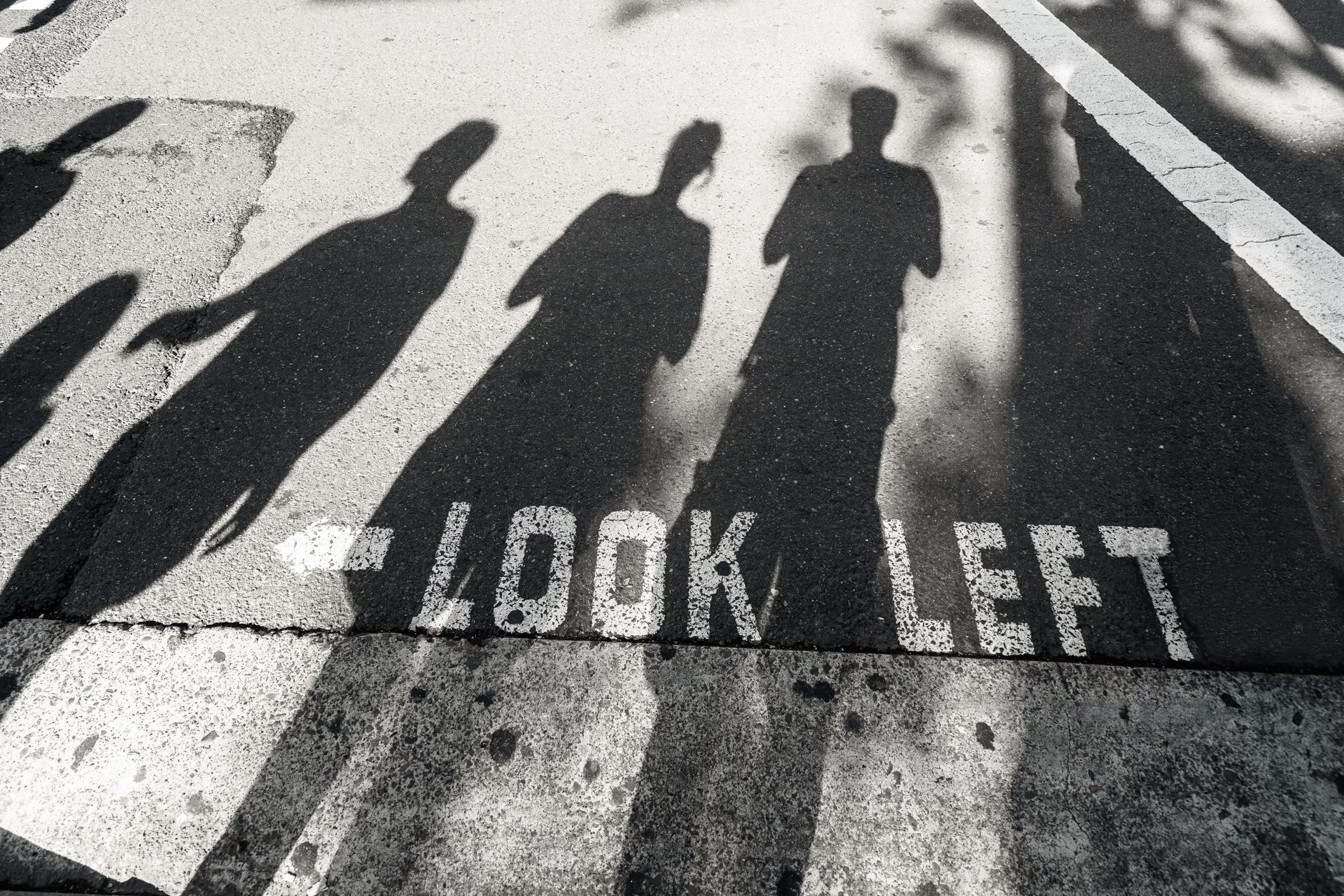
Picture yourself walking into a bustling shopping centre. Instinctively, you drift to the left, navigating your way through the throng of shoppers. You might think nothing of it, yet scientists have recently uncovered that this unconscious choice is part of a broader human tendency to walk anticlockwise.
The phenomenon has been consistently observed in a series of experiments conducted across various countries, including Spain and Japan. Researchers have noted that, when given the option, people overwhelmingly choose to veer left. This intriguing behaviour has sparked a flurry of scientific curiosity, yet the precise reason behind it remains as elusive as ever.
The Left-Turn Bias
In 32 out of 33 trials, participants displayed a clear preference for moving in a counterclockwise direction. Whether strolling through art galleries or navigating the open spaces of a park, this bias was evident. The consistency of this behaviour across diverse cultural contexts suggests a fundamental aspect of human nature, yet the mechanics driving it are still shrouded in mystery.
Some scientists speculate that cultural factors or environmental conditioning might play a role. Others suggest that it could be linked to brain hemisphere dominance or even a subtle influence of the Earth's rotation. However, these theories remain speculative, with no definitive evidence to support any single explanation.
Implications and Future Research
While the anticlockwise preference may seem trivial, it has significant implications for understanding human cognition and spatial behaviour. It could influence the design of public spaces, such as museums and shopping centres, to align with the natural flow of human traffic, potentially easing congestion and enhancing visitor experience.
Researchers are now keen to delve deeper into this curious bias, aiming to uncover the underlying biological or psychological factors. As studies continue, the hope is to unravel this enigma, shedding light on yet another fascinating aspect of human nature.