The Curious Case of Human Left Turns: A Puzzle for Scientists
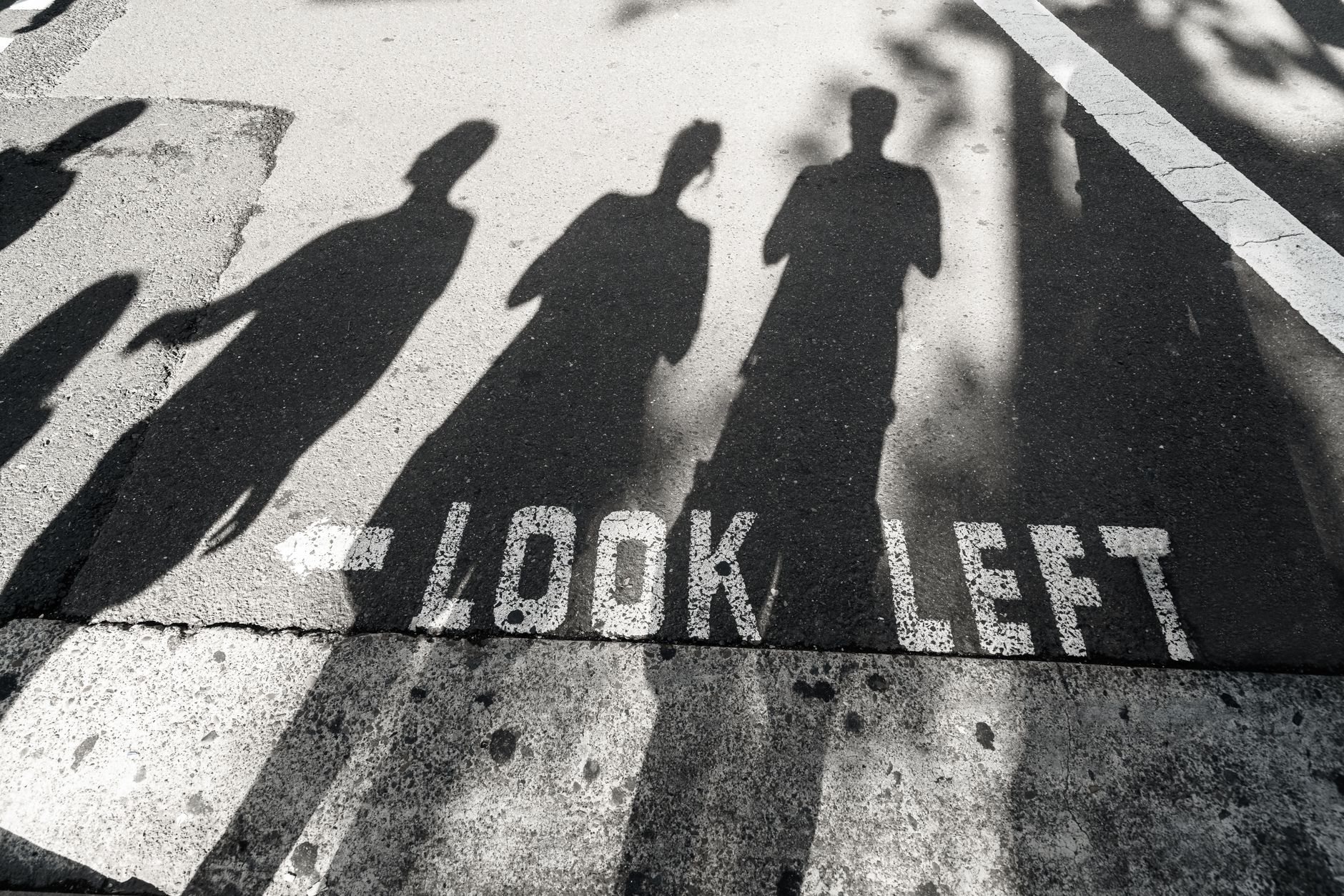
In an intriguing twist of human behaviour, scientists have uncovered a peculiar inclination among people worldwide: a preference for walking anticlockwise. This unexpected discovery emerged from a series of experiments conducted across various countries, including Spain and Japan, where researchers observed a consistent left-turn bias.
The experiments, carried out in enclosed spaces such as art galleries and shopping centres, revealed that individuals and even small crowds tend to veer to the left. This held true regardless of cultural background or gender, leaving scientists scratching their heads over the underlying cause.
The Global Left-Turn Phenomenon
While the left-turn tendency might seem trivial at first glance, it poses an intriguing question about human nature. Are we hardwired to prefer one direction over another, or is there a deeper psychological or neurological explanation at play? Despite the mystery, the phenomenon has been consistently observed in various contexts, suggesting it is not merely a cultural oddity.
Some speculate that it could be linked to the dominance of the right hemisphere of the brain, which controls spatial awareness and could influence our directional preferences. Others propose that it might be a subconscious adaptation to environmental factors, such as the way spaces are designed or the natural flow of pedestrian traffic.
Implications for Urban Planning and Design
Beyond the realm of scientific curiosity, understanding why humans prefer to walk anticlockwise could have practical applications. Urban planners and architects might take this preference into account when designing public spaces, potentially improving the flow of foot traffic and enhancing the overall experience for pedestrians.
As researchers continue to explore this enigma, the anticlockwise bias serves as a reminder of the complexities of human behaviour. It challenges us to consider the subtle ways in which our brains and environments interact, hinting at mysteries yet to be unravelled.