The Curious Case of the Anticlockwise Stroll
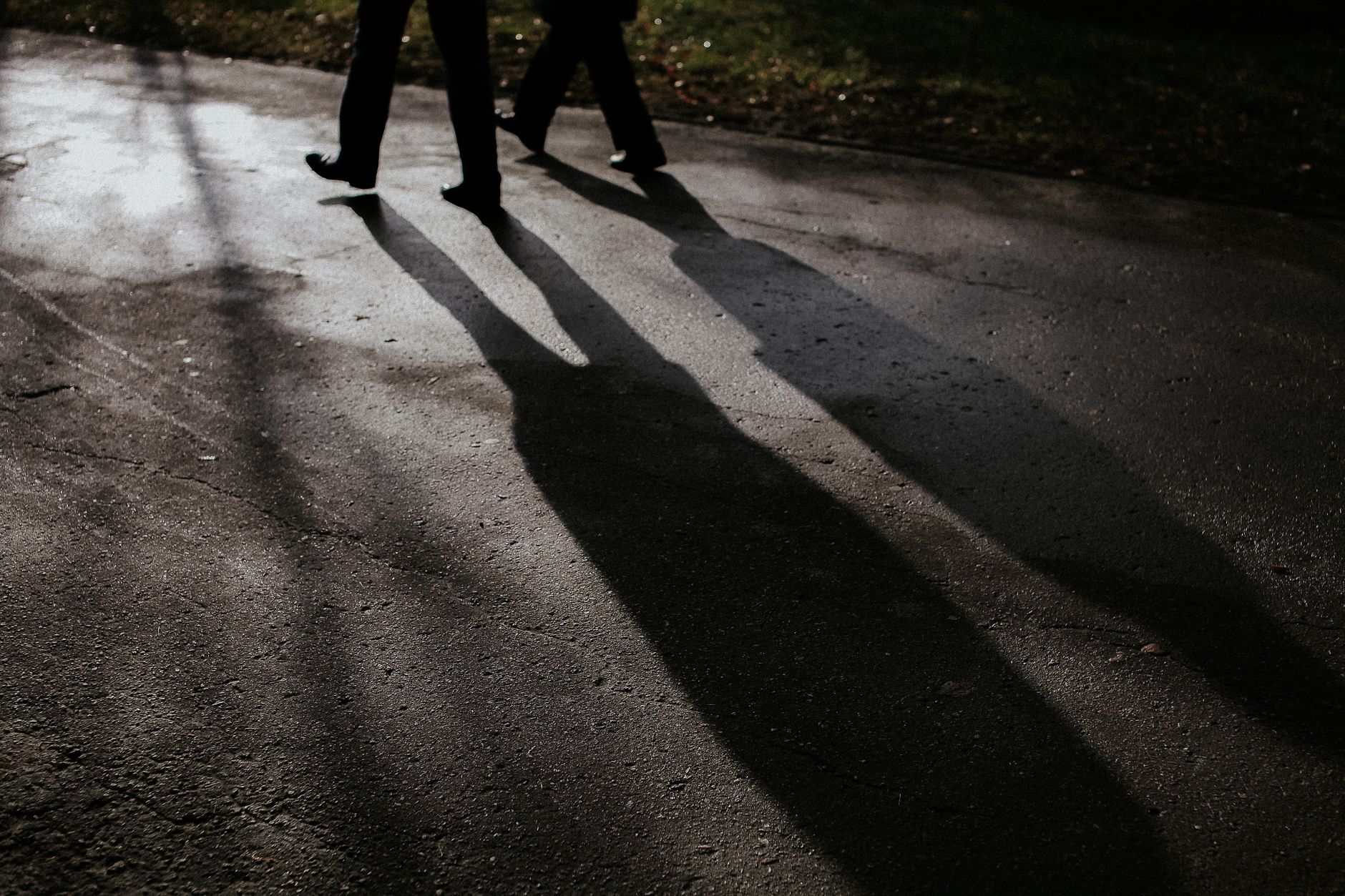
As pedestrians meander through parks, museums, and even the bustling aisles of supermarkets, a subtle yet consistent pattern emerges. Scientists have found that, left to their own devices, humans show a distinct preference for walking in an anticlockwise direction. While this might seem trivial at first glance, the phenomenon has puzzled researchers who are yet to pinpoint the exact cause.
The revelation came to light through a series of experiments where individuals and small groups were observed walking in enclosed spaces. Regardless of the setting, whether it was a serene gallery or a crowded marketplace, the anticlockwise drift was unmistakable. This finding has sparked curiosity and further study, as it suggests an underlying bias that could be rooted in human physiology or perhaps even psychology.
Possible Explanations
While the precise reasons remain shrouded in mystery, scientists speculate that a biomechanical asymmetry might be responsible. Some theorise that it could be linked to the dominance of the left hemisphere of the brain, which controls the right side of the body and might subtly influence our preferred walking direction. Others suggest it could be a cultural habit, although evidence for this remains scant.
Interestingly, the anticlockwise tendency has been observed not just in humans but in horse races and athletics as well. Most race tracks, for example, are designed with anticlockwise courses, ostensibly because this direction feels more 'natural' to both humans and animals alike.
The Ongoing Mystery
The research into this phenomenon is ongoing, with scientists keen to unravel the intricacies of human movement. The implications could extend beyond mere curiosity, potentially informing the design of public spaces, sports facilities, and crowd management strategies. Until then, it seems we are destined to circle anticlockwise, driven by forces yet unknown.