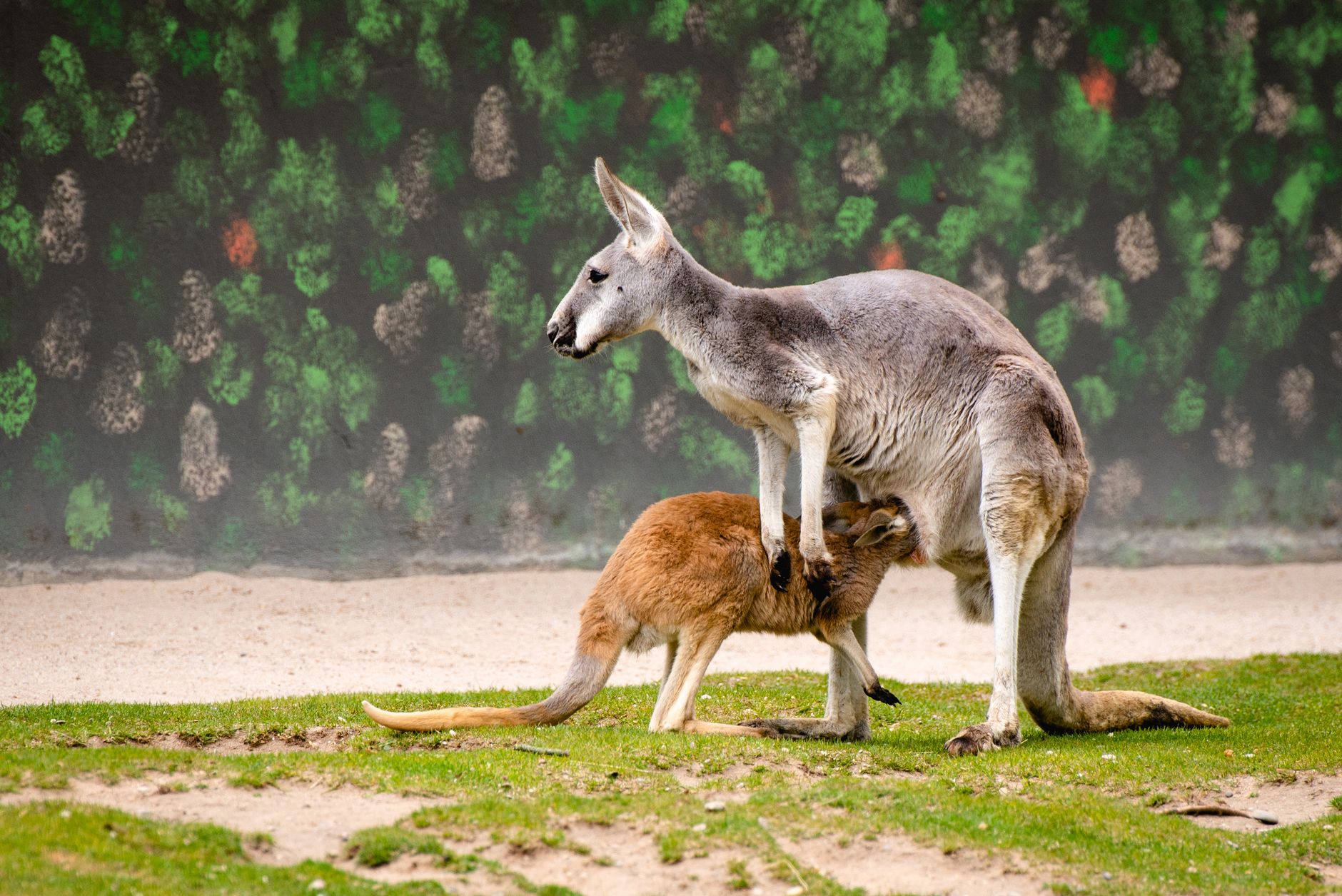
The Quest to Converse: Scientists Develop Animal Communication Tech
In the same way that Doctor Dolittle, the fictional character from Hugh Lofting's beloved stories, could chatter with creatures great and small, scientists today are diligently working towards a similar reality. The idea of a 'Dolittle machine' is no longer confined to the pages of children's books. Instead, it is fast becoming a tantalising prospect in the realm of scientific innovation.
Researchers are leveraging the prowess of artificial intelligence to decode animal communication, with a focus on understanding the intricate ways in which species like bats utilise echolocation. Dr. Yossi, a leading figure in this field, highlights that while echolocation is primarily a sensory tool, it also plays a significant role in social exchanges among bats. This discovery is pivotal, as it suggests that animal sounds are not mere noise, but rather convey complex layers of information.
Such advancements are not merely academic exercises. The potential implications of successfully communicating with animals are vast. Imagine being able to ask your dog why it insists on barking at the postman, or understanding the distress calls of endangered species, thereby enhancing conservation efforts. Yet, amidst the excitement, there is a chorus of caution. What unintended consequences might arise from such communication? Could it disrupt natural behaviours or lead to ethical dilemmas?
The Role of AI in Decoding Animal Language
Artificial intelligence is at the heart of this scientific pursuit. By analysing vast amounts of acoustic data, AI systems are being trained to recognise patterns and translate animal sounds into human-understandable language. This process, though in its nascent stages, holds promise. However, sceptics argue that understanding the 'language' of animals might not equate to a two-way conversation as seen in science fiction.
The visionaries behind the Dolittle machine project are not deterred. They believe that even partial success could significantly alter our relationship with the animal kingdom, fostering a deeper appreciation and respect for the creatures we share our planet with.
Ethical Considerations and Future Prospects
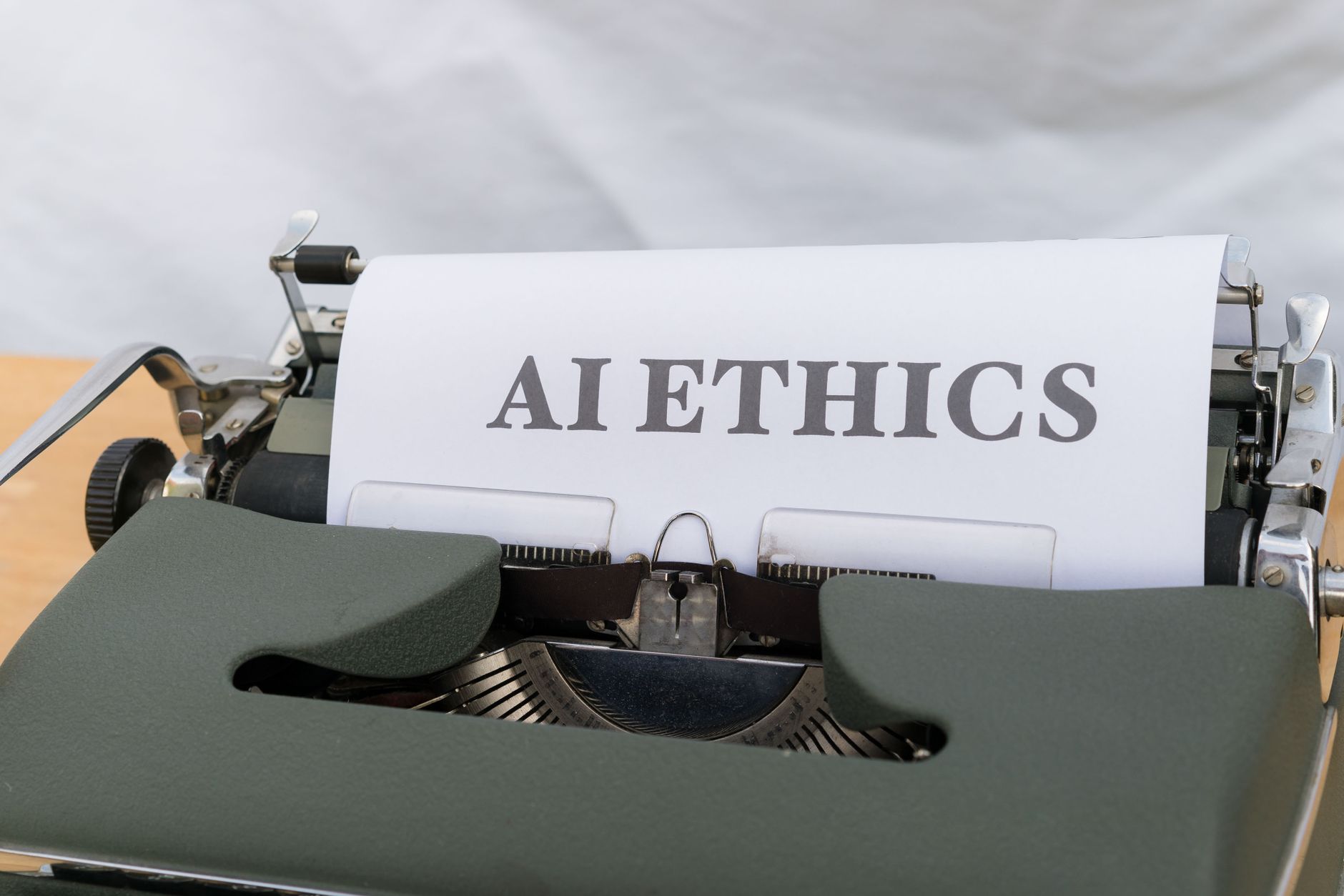
As with any technological leap, ethical considerations loom large. The prospect of 'talking' with animals raises questions about consent and the potential for exploitation. How do we ensure that such capabilities are used responsibly, without infringing on the autonomy of animal life?
The journey towards a Dolittle machine is fraught with challenges, but its potential rewards are equally compelling. Whether the future holds genuine interspecies dialogue or merely a better understanding of animal behaviours, the work being done today is a testament to human curiosity and innovation.