The Rise of Autonomous Agents in Biological Research
In a quiet corner of the scientific world, an unassuming yet revolutionary development is taking place. Autonomous agents, once the stuff of science fiction, are now being deployed to unravel the intricate mysteries of biology. These computational entities are not just another tool; they represent a paradigm shift in how scientific research is conducted.
The initiative to incorporate these agents into biological research is spearheaded by a team of visionary scientists who have tasked them with retrieving sequence data from the NCBI Virus database. This database, vital for virologists, supports crucial work like surveillance and the development of diagnostic assays.
Agents at Work
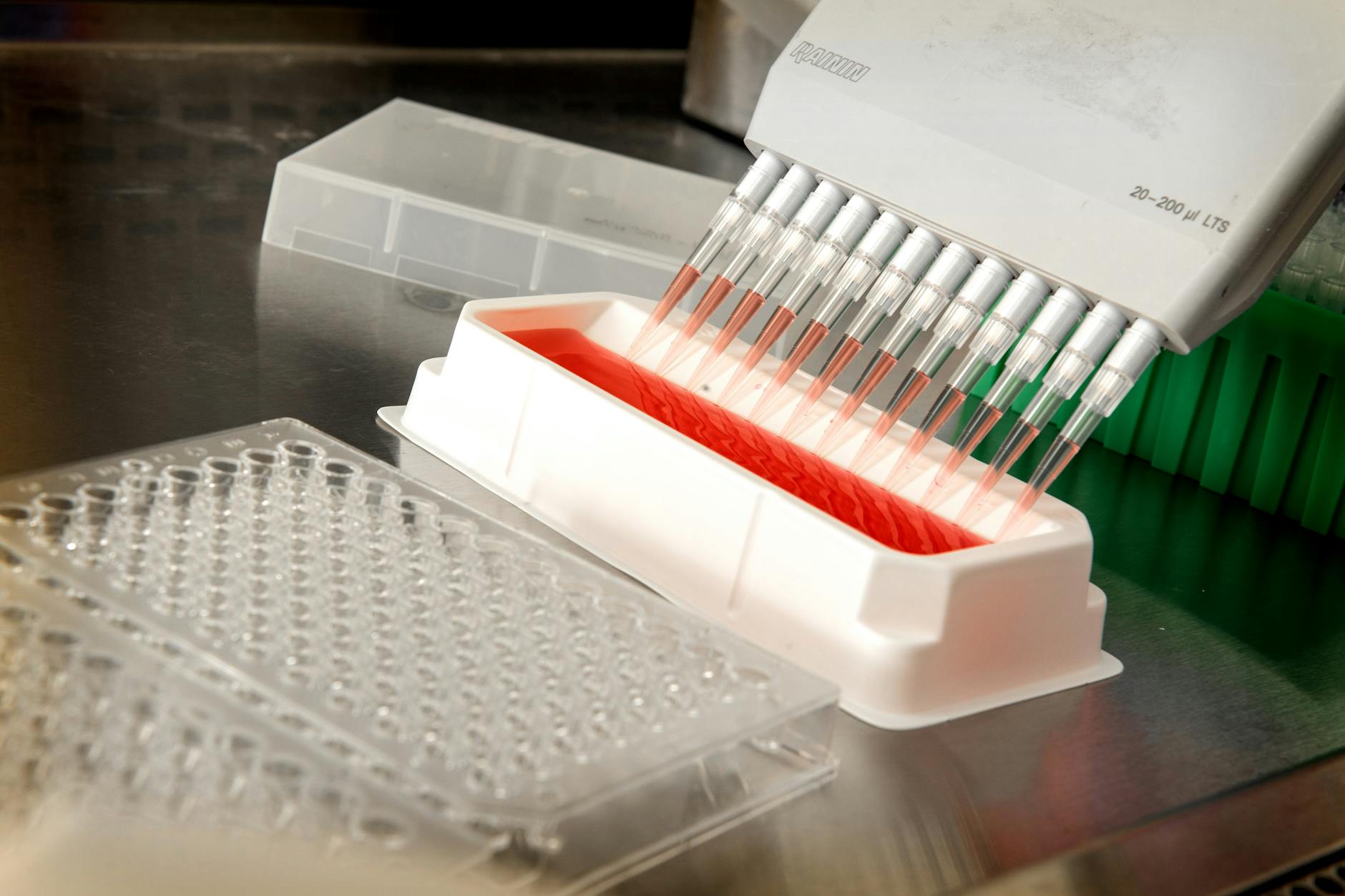
What sets these agents apart is their ability to simulate and analyse biological processes autonomously. By using AI and multi-agent systems, they can perform tasks ranging from understanding molecular dynamics to automating laboratory processes. This reduces human error and increases efficiency, allowing scientists to focus on higher-order analysis and interpretation.
Scientific research agents such as Claude, Biomni Open Source, Edison Analysis, and GPT have been pivotal in this effort. Their collaboration showcases the potential of these systems to accelerate research and bring unprecedented precision to data analysis.
The Broader Implications
This development is not just a technical achievement; it has profound implications for the future of biological research. As these agents become more sophisticated, they could reshape our understanding of complex biological systems and processes. By handling the minutiae of data retrieval and initial analysis, they free human researchers to explore broader scientific questions.
Moreover, the success of these agents in biology could inspire similar approaches in other scientific fields, paving the way for a new era of interdisciplinary research. The fusion of AI and biology is poised to unlock new realms of possibility, making the previously impossible, possible.