The Surprising Global Tendency: Why We Walk Counterclockwise
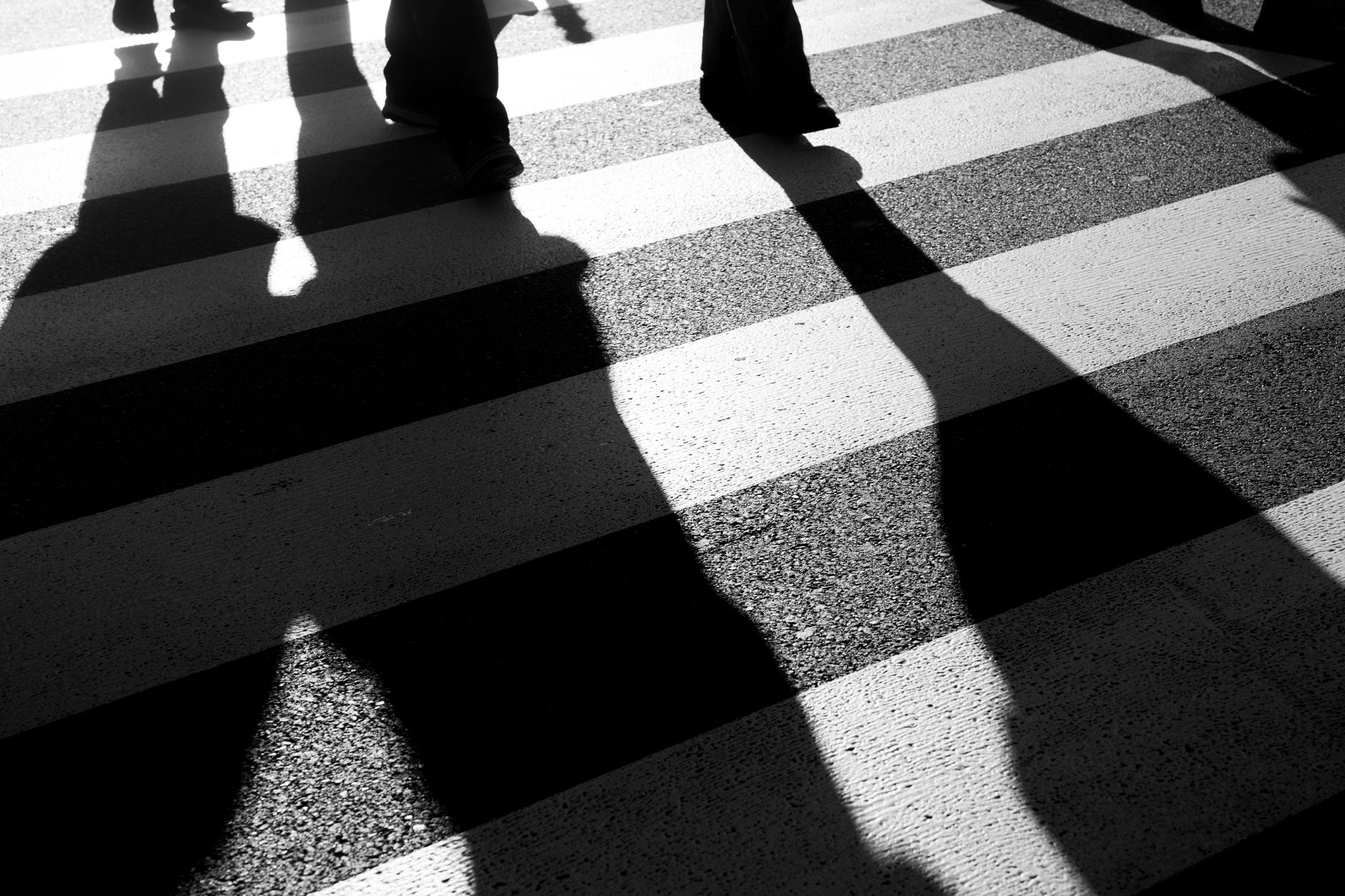
In a striking revelation, researchers have identified a peculiar global pattern in the way humans navigate their surroundings. Across diverse cultures and environments, people display a tendency to turn counterclockwise when moving in crowds. This intriguing phenomenon was unexpected, as conventional wisdom suggested that such movements were entirely random, dictated only by personal convenience.
Claudio Feliciani, a leading engineer involved in the study, expressed his surprise: "This was completely unexpected as, at least instinctively, when people walk around randomly, you imagine people turn as their needs suit them with little sign of an overall preference." However, the research indicates otherwise, showing a consistent counterclockwise bias across different settings.
The implications of these findings are profound. Feliciani and his colleagues suggest that this bias may stem from a biological foundation, hinting at an innate human tendency that transcends cultural boundaries. Such discoveries are not merely academic; they have practical applications in urban planning and crowd management, potentially influencing how spaces are designed to accommodate natural human inclinations.
The Biological Roots
Speculation about the biological underpinnings of this behaviour has led scientists to consider whether it is linked to the lateralisation of brain function. Just as most humans display a preference for right-handedness, this counterclockwise bias might be related to the dominance of the right hemisphere of the brain, which controls the left side of the body.
Further studies are needed to explore this hypothesis, but the implications are tantalising. If proven, it could reshape our understanding of human movement and its neurological bases, offering new insights into the workings of the human brain.
Practical Applications
Beyond the theoretical, these findings could influence practical aspects of daily life. Urban planners and architects might use this information to design more efficient public spaces, facilitating smoother pedestrian flows and reducing congestion in crowded areas.
In events like the famous San Fermín festival in Spain, where large crowds are the norm, understanding such patterns could enhance safety measures and improve crowd control strategies. As researchers delve deeper into the mysteries of human movement, we may find that our steps are guided by more than just conscious decision-making, hinting at a fascinating blend of biology and behaviour.