The Triumvirate of Science's Quest for Extraterrestrial Life
For aeons, humanity has gazed up at the night sky and wondered if we are alone. Despite our advances, Earth remains the only confirmed host of life. Yet the quest to find extraterrestrial life is more alive than ever, driven by three pivotal scientific approaches.
Peering Into Exoplanetary Atmospheres
The search for alien life has taken scientists far beyond our solar system to exoplanets — planets orbiting stars outside our celestial neighbourhood. Key to this exploration is the study of atmospheres. By analysing the light that filters through or reflects off these atmospheres, researchers can detect potential biosignatures — chemical markers that suggest life may be present. This method, though indirect, holds promise. The discovery of such signs could transform our understanding of life's prevalence in the universe.
The Search for Alien Signals
For decades, scientists have scanned the skies for radio signals, hoping to catch a whisper from an alien civilisation. The Search for Extraterrestrial Intelligence (SETI) has been at the forefront, using radio telescopes to listen for patterns that might indicate intelligent life. While the task is daunting — akin to finding a needle in a cosmic haystack — any success here would be revolutionary, offering undeniable proof that we are not alone.
Exploring Our Celestial Backyard
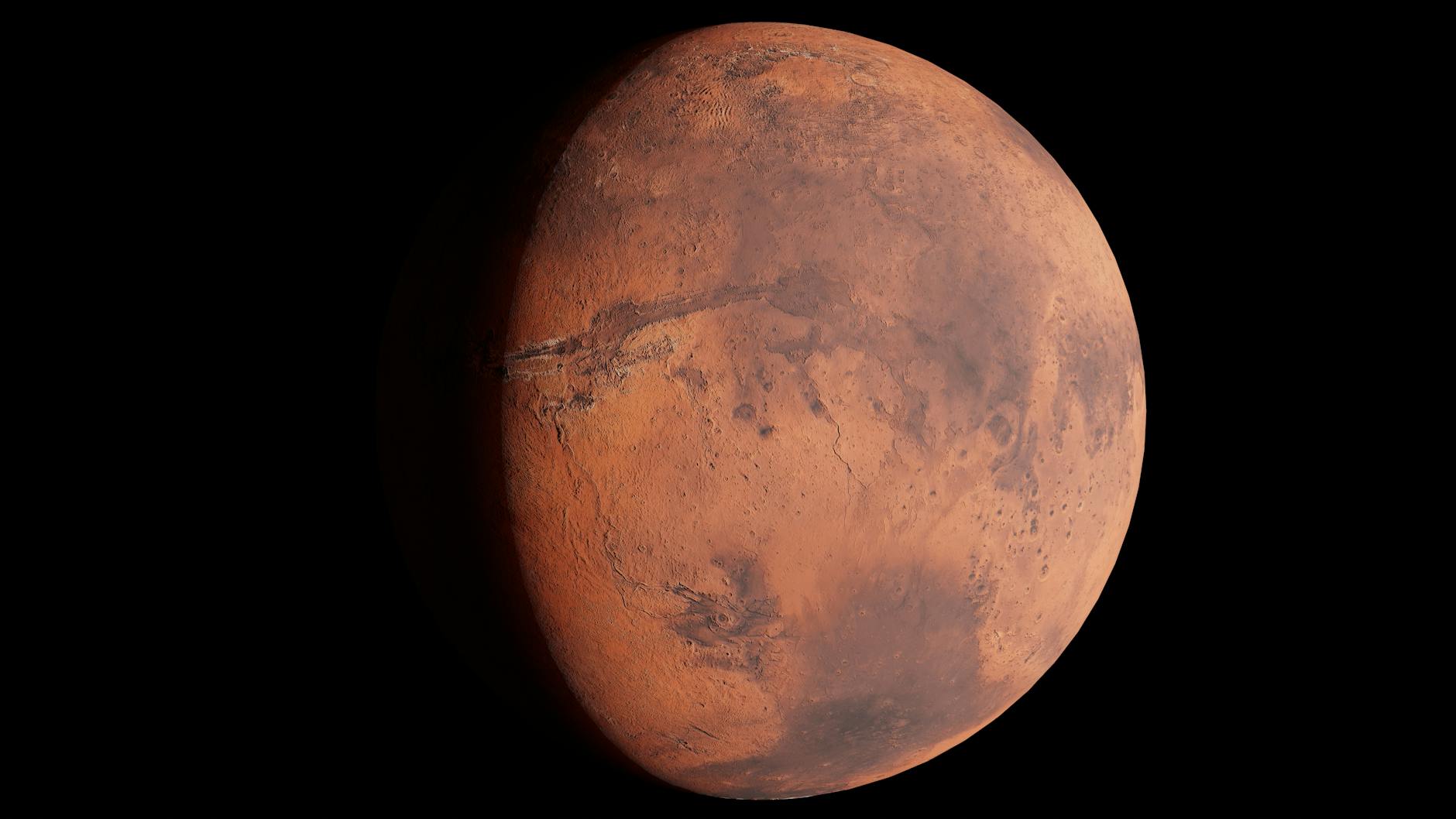
Closer to home, NASA and other space agencies are investigating celestial bodies within our own solar system. Mars, with its history of water, is a prime candidate. Similarly, moons such as Europa and Enceladus, with their sub-surface oceans, intrigue scientists. Probing these environments for microbial life is an ongoing challenge, but one that could yield profound results.
While the search for alien life is fraught with challenges, it's also filled with boundless possibilities. Each of these scientific endeavours fuels the imagination and keeps the age-old question ever relevant: are we alone in this vast universe?