The Unique Rainbow: Why Yours Will Never Be Mine
As the rain subsides and the sun peeks through the clouds, a rainbow often graces the sky, leaving onlookers in awe of its vibrant colours. But while two friends may stand side by side marvelling at the spectacle, they are, in fact, viewing entirely different rainbows.
This optical illusion arises because a rainbow is not a tangible object but an ephemeral display of light refracting through raindrops. The magic lies in how sunlight bends, scatters, and reflects off each droplet, creating a spectrum of colours that is uniquely positioned for every observer.
The Science of Refraction
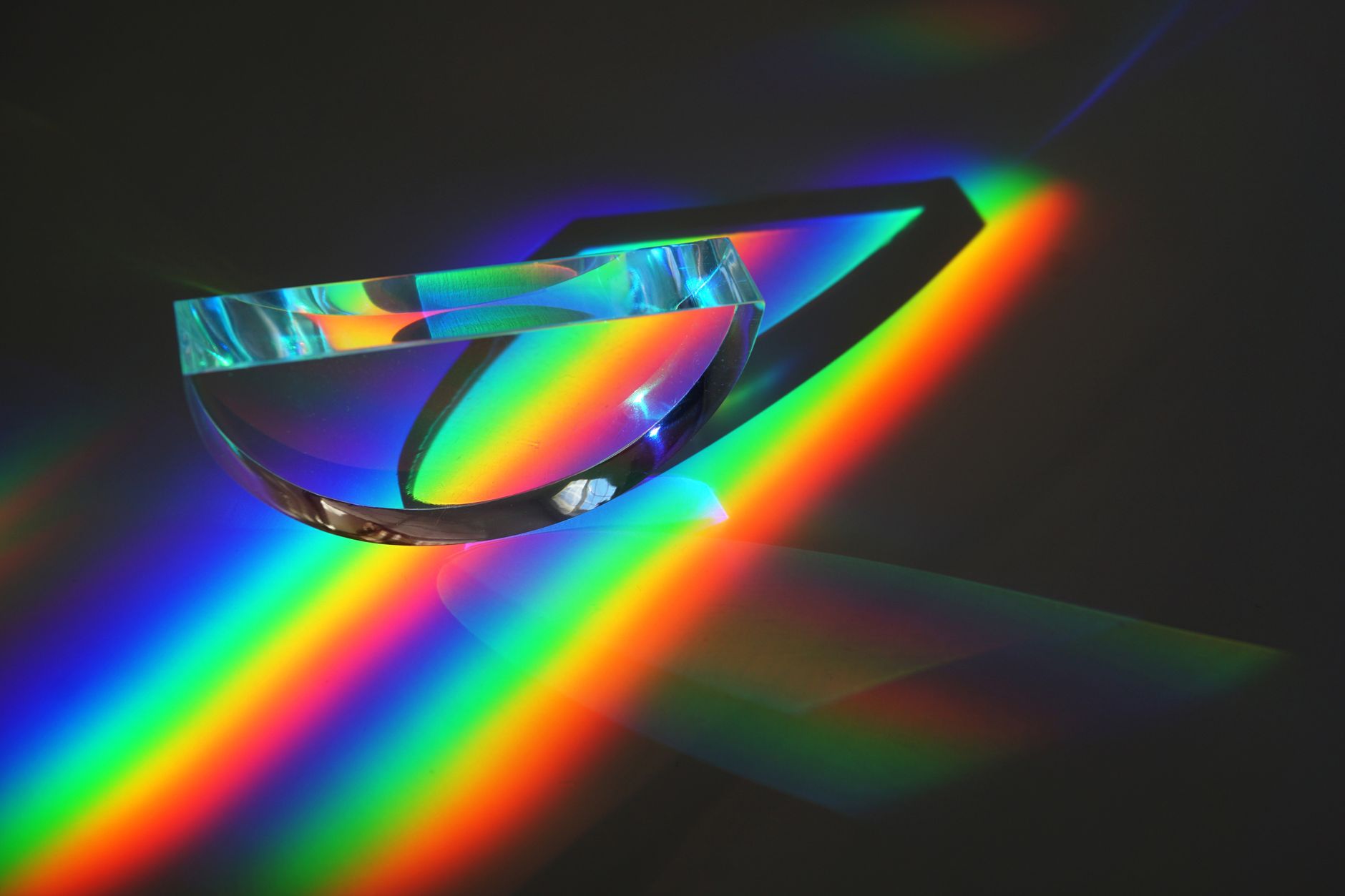
The science behind this phenomenon is both simple and complex. Sunlight, composed of various wavelengths, enters a raindrop and slows down, bending as it transitions from air to water. This bending, or refraction, causes the light to spread out into its constituent colours. As it exits the droplet, the light reflects back towards the observer, forming the familiar arc of a rainbow.
Yet, the angle at which these colours are refracted and reflected depends on the observer's position. Each person's eyes capture light travelling from different droplets and angles, resulting in a uniquely personal rainbow. Even an individual's left eye may perceive a slightly different rainbow than the right eye, emphasising the personalised nature of this phenomenon.
Beyond the Primary Arc
In some cases, keen observers might notice a secondary rainbow arching above the primary one. This occurs due to a double reflection inside the raindrops, producing a reversed colour order and a fainter appearance. Occasionally, supernumerary rainbows make an appearance, adding delicate, pastel-hued bands inside the primary arc.
Understanding why no two people ever see the same rainbow enhances the appreciation of this natural spectacle. It reminds us of the intricate dance of light and water, a fleeting yet profound encounter with the magic hidden in the mundane.