The Unseen Bias: Why We Tend to Walk Anticlockwise
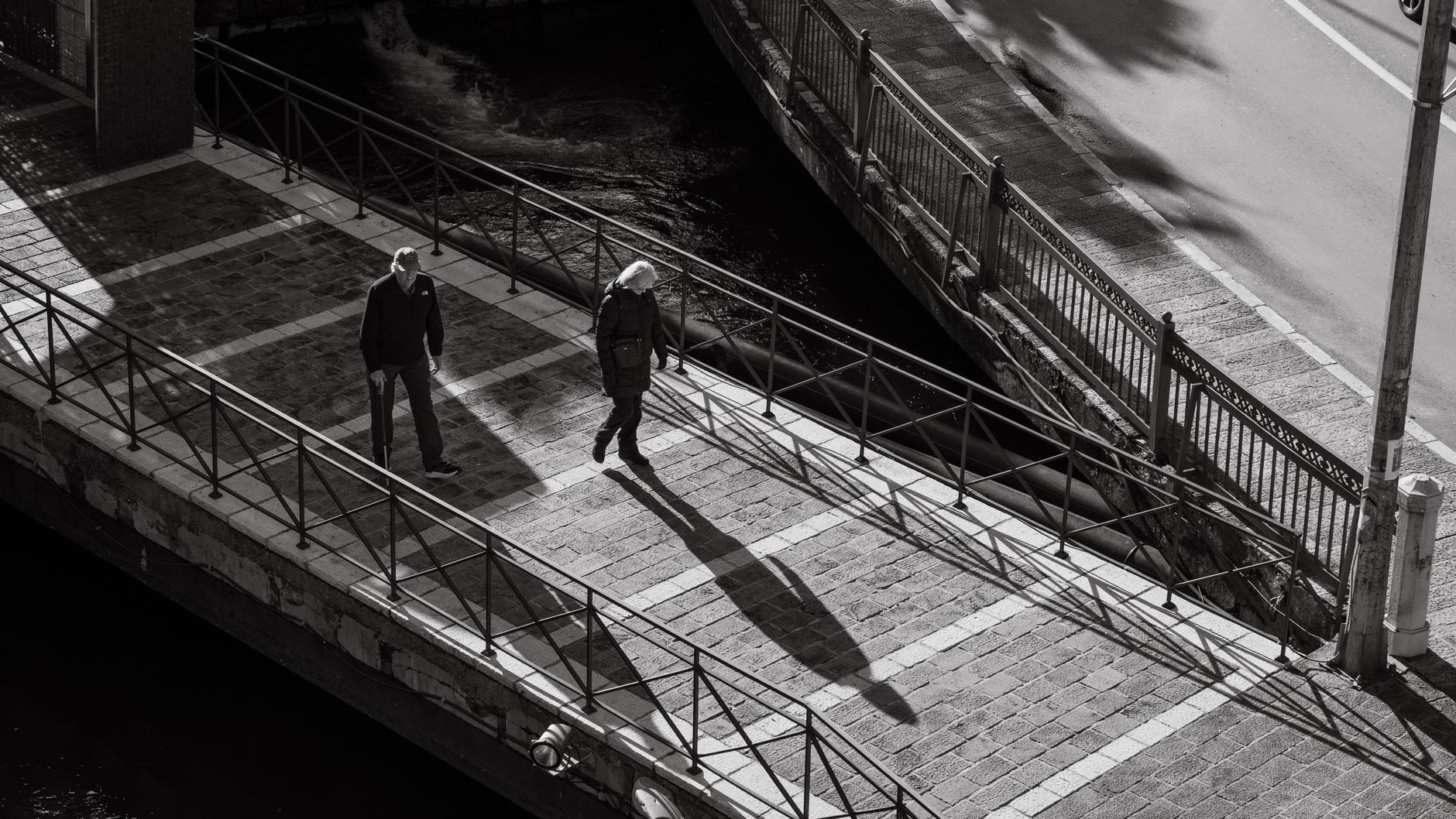
In a twist that even the most observant amongst us might not have noticed, scientists have identified a curious quirk in human behaviour: a preference for walking anticlockwise. Whether it's circling a fountain, a running track, or even a supermarket aisle, people seem to gravitate towards this direction.
Unravelling the mystery behind this seemingly innocuous choice, researchers have delved into various scenarios, observing the same pattern repeatedly. Yet, the reason remains as elusive as the Loch Ness Monster. Some speculate it could be linked to the predominance of right-handedness, affecting our spatial orientation. Others suggest a more subconscious explanation, rooted in the asymmetrical wiring of our brains.
Historical and cultural practices also offer intriguing clues. In many cultures, religious or ceremonial circumambulation is performed anticlockwise, hinting at a deeply ingrained tradition. The question of why humans have developed this bias, however, remains unanswered.
Theories and Implications
Various theories abound. Some posit that anticlockwise walking might be an evolutionary trait, favouring survival by enhancing peripheral vision. Others propose it could be a learned behaviour, reinforced through routine activities and societal norms.
Understanding this phenomenon could have practical implications. Urban planners, for instance, might consider these findings in designing public spaces to accommodate natural human tendencies, potentially easing pedestrian flow and reducing congestion.
A Puzzle for the Ages
While the exact cause of this anticlockwise bias remains shrouded in mystery, the very act of questioning it opens avenues for further exploration. As scientists continue to probe this peculiar human habit, they inch closer to unlocking the secrets of our cognitive and cultural fabric.
For now, whether by design or by chance, the anticlockwise path seems to hold sway, a subtle reminder of the myriad ways in which our actions are shaped by unseen forces.