The Unseen Path: Why We Walk Anticlockwise
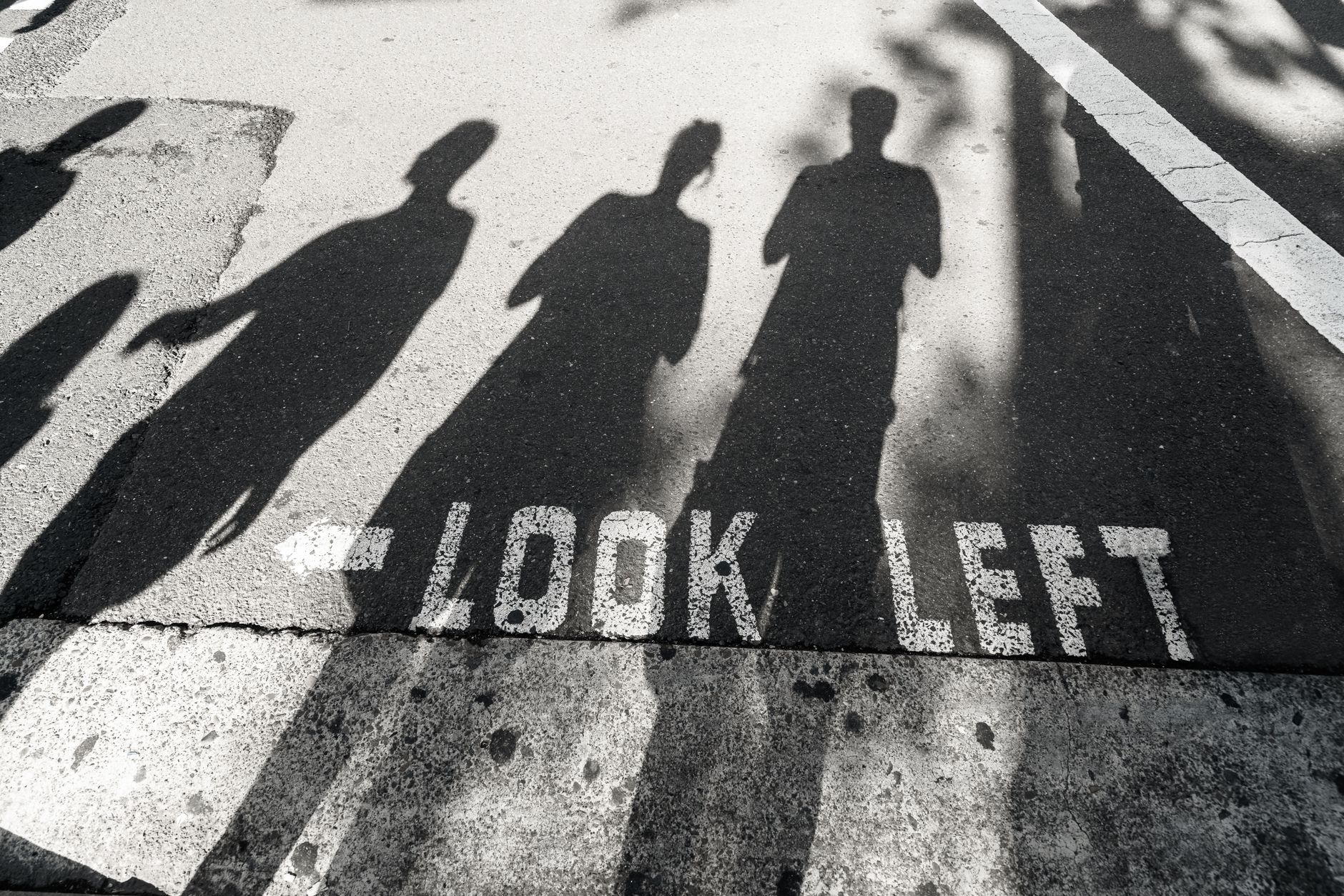
In a world full of mysteries, one might not expect the direction of our footsteps to hold any particular intrigue. Yet, scientists have stumbled upon a fascinating phenomenon: humans, it seems, have a penchant for walking anticlockwise.
This curious behaviour has been observed in various studies conducted around the globe, from the bustling streets of Tokyo to the serene parks of Madrid. In a recent study, involving 33 trials, most participants displayed a distinct preference for drifting left, often without any conscious thought.
The Science of Walking
While the observation is clear, the reasons behind this leftward bias remain elusive. Researchers have speculated on several potential causes, ranging from brain hemisphere dominance to environmental factors. Yet, no single explanation has emerged as definitive.
One theory suggests that the dominance of the brain's right hemisphere might influence our preference for leftward movement. Another hypothesis considers the impact of cultural norms and urban designs that subtly guide our paths. Yet, despite rigorous testing and analysis, none of these theories fully account for the consistent global pattern.
A Universal Tendency?
What's particularly intriguing is the consistency of this behaviour across different cultures and demographics. Whether right-handed or left-handed, young or old, people display this anticlockwise tendency with remarkable uniformity. This universality suggests that the root cause might be more deeply embedded within human nature than previously thought.
As researchers continue to explore the intricacies of human movement, the anticlockwise conundrum serves as a reminder of how much we have yet to learn about the subtleties of our own behaviour. Until a clearer answer emerges, the question of why we walk in circles—quite literally—remains one of the many small mysteries that make the study of human nature endlessly fascinating.