This Weekend's Rare Blue Micromoon: When and How to See It
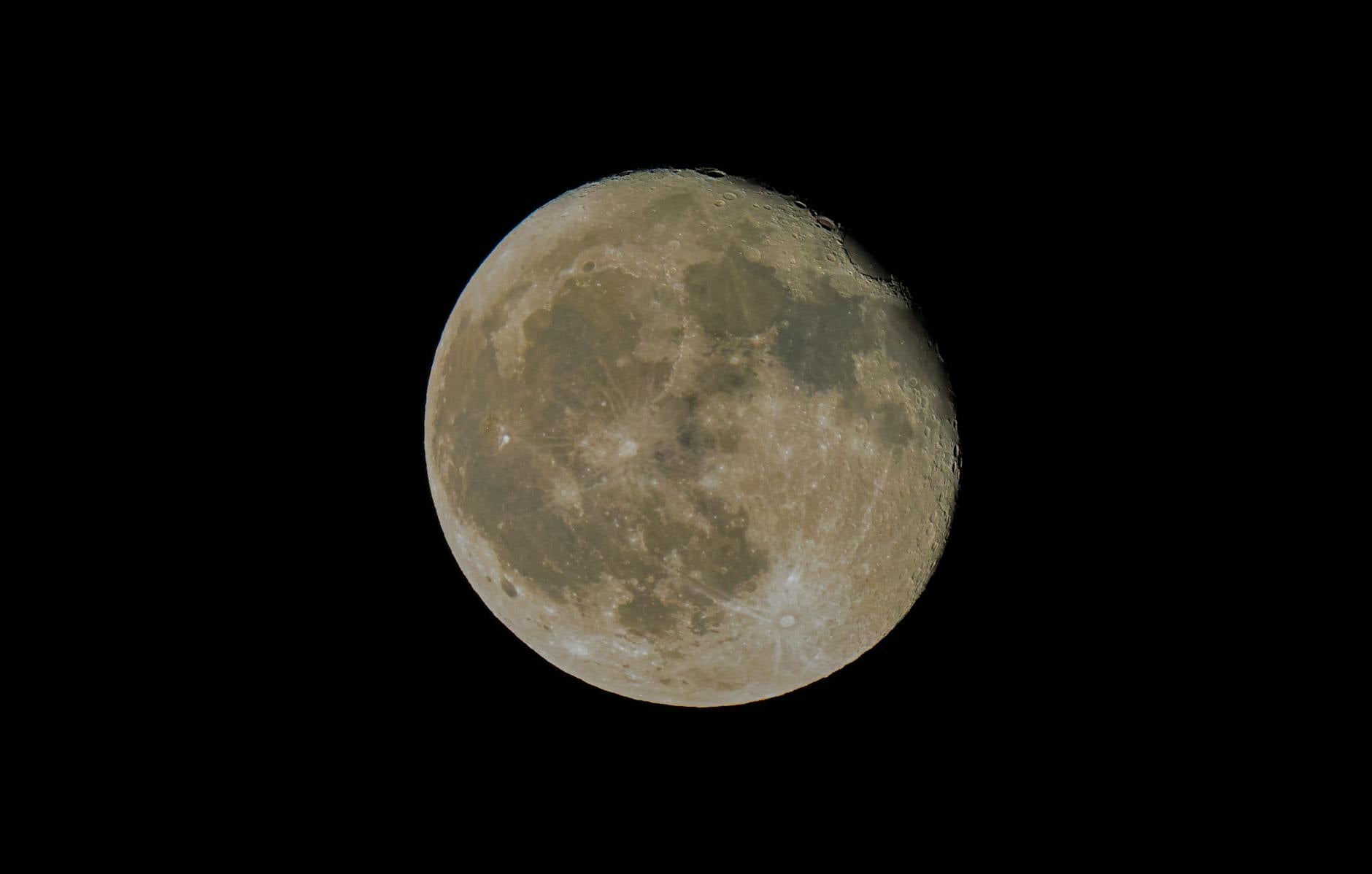
As the weekend approaches, sky-gazers have an unusual treat awaiting them—a blue micromoon. Despite the slightly misleading name, this celestial event won't turn the moon blue, nor will it shrink to a minuscule size. Instead, it marks a rare occurrence: the second full moon within a single calendar month, coupled with the moon's farthest point in its orbit, making it appear slightly smaller than usual.
The blue micromoon will reach its peak fullness on 31st May at precisely 9:45 am BST. However, for those in the UK, this will be long after the moon has set. Thus, the best time to witness it is the night before, on 30th May, just after moonrise or during the late evening hours.
For those eager to capture the event's subtle charm, an unobstructed view away from city lights is essential. While telescopes are not necessary, a good pair of binoculars could enhance the experience, revealing more details of the moon's surface.
Not Just a Spectacle, But a Rarity
The term 'blue moon' traditionally refers to an additional full moon within a season or a month, a rarity that has embedded the phrase into popular culture as a synonym for unusual occurrences. What makes this micromoon particularly special is its timing, as it combines the blue moon anomaly with a micromoon—a full moon occurring when the moon is at apogee, its farthest point from Earth.
While the moon's appearance will be largely indistinguishable to the casual observer, astronomers and enthusiasts appreciate the micromoon for its subtlety. It serves as a reminder of the intricate dance between celestial bodies and the rhythms that govern them.
Future Gazing
For those who miss this weekend's display, the next blue moon won't grace the skies until 2028. Such events underscore the importance of seizing the moment, encouraging viewers to pause and appreciate the cosmos' wonders.
So, gather your friends or take a moment alone, find a quiet spot under the night sky, and let this rare lunar display captivate your imagination.