Trump Administration Aims to Tighten Grip on Science Funding
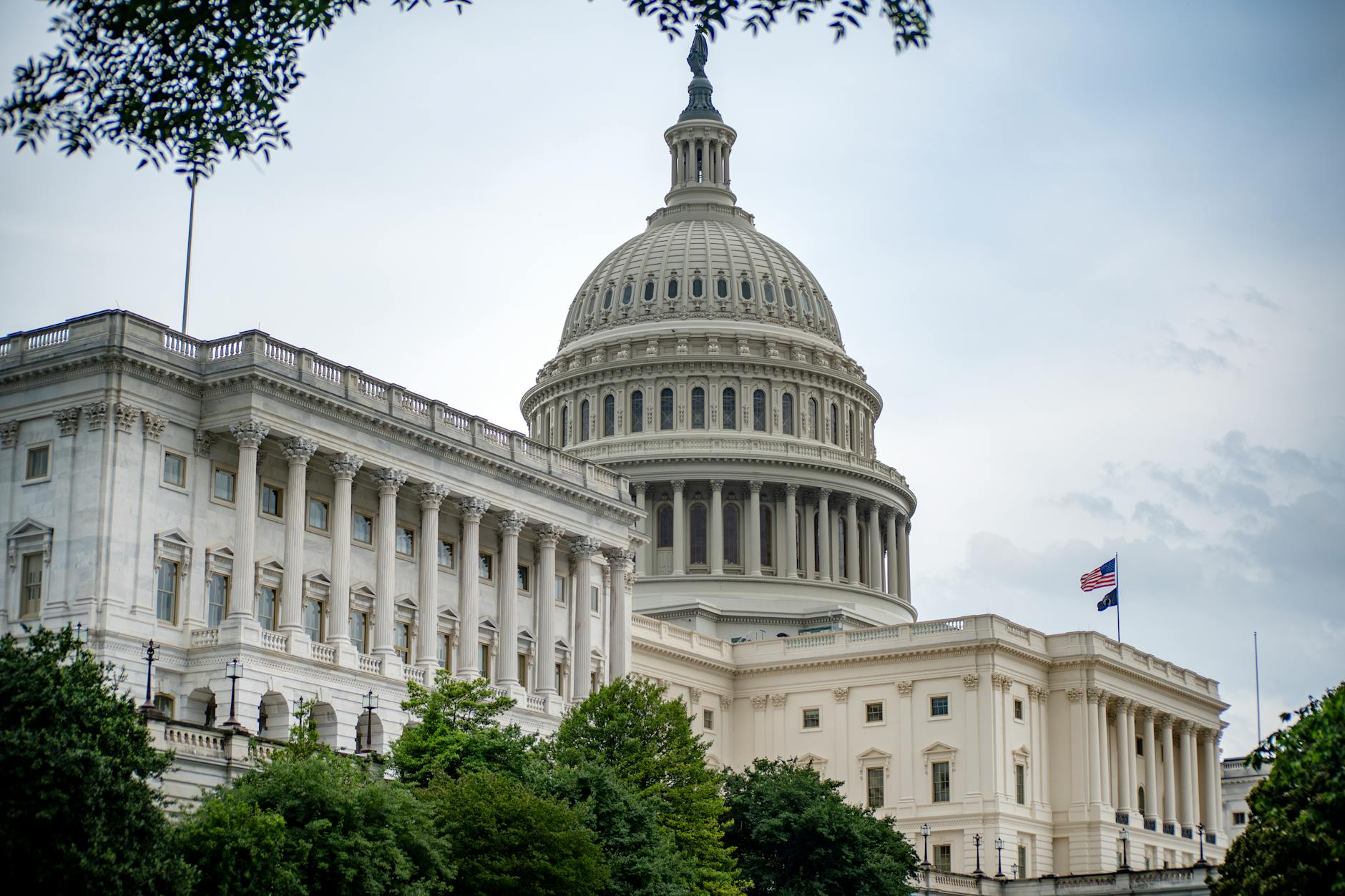
In a move that has sent ripples through the scientific community, the Trump administration is pushing for a rule change that could allow political appointees more control over federal research grants. Such a shift, if enacted, could fundamentally alter how science is funded and prioritised in the United States, affecting fields as diverse as housing, transportation, and environmental research.
The White House Office of Management and Budget is proposing to revise the rules governing the allocation of billions of dollars in research funding. Supporters of the change argue that it brings much-needed accountability and ensures that science aligns with national interests. "We must ensure that taxpayer dollars are spent wisely and in a manner that serves the public interest," said a senior administration official, who declined to be named.
However, critics warn that this move could jeopardise the independence and integrity of scientific research. By introducing a political dimension to funding decisions, they argue, the administration risks politicising science and undermining its credibility. "Science thrives on objectivity and evidence, not political agendas," said Dr. Rachel Connors, a prominent researcher and vocal critic of the proposal.
This development comes against the backdrop of President Trump's budget plan, which proposes significant cuts to federal science funding. The administration's approach has been met with fierce opposition from scientists and advocacy groups, who fear that the proposed changes could stifle innovation and hinder the country's ability to tackle pressing issues such as climate change and public health.
The debate over control of science funding highlights a broader tension between political oversight and scientific autonomy. While the administration asserts the need for strategic alignment of resources, critics stress the importance of preserving the impartiality of research. The outcome of this bureaucratic battle could have lasting implications for the future of American science, as the nation grapples with the challenges of the 21st century.