Trump's New Rule Threatens to Undermine US Science
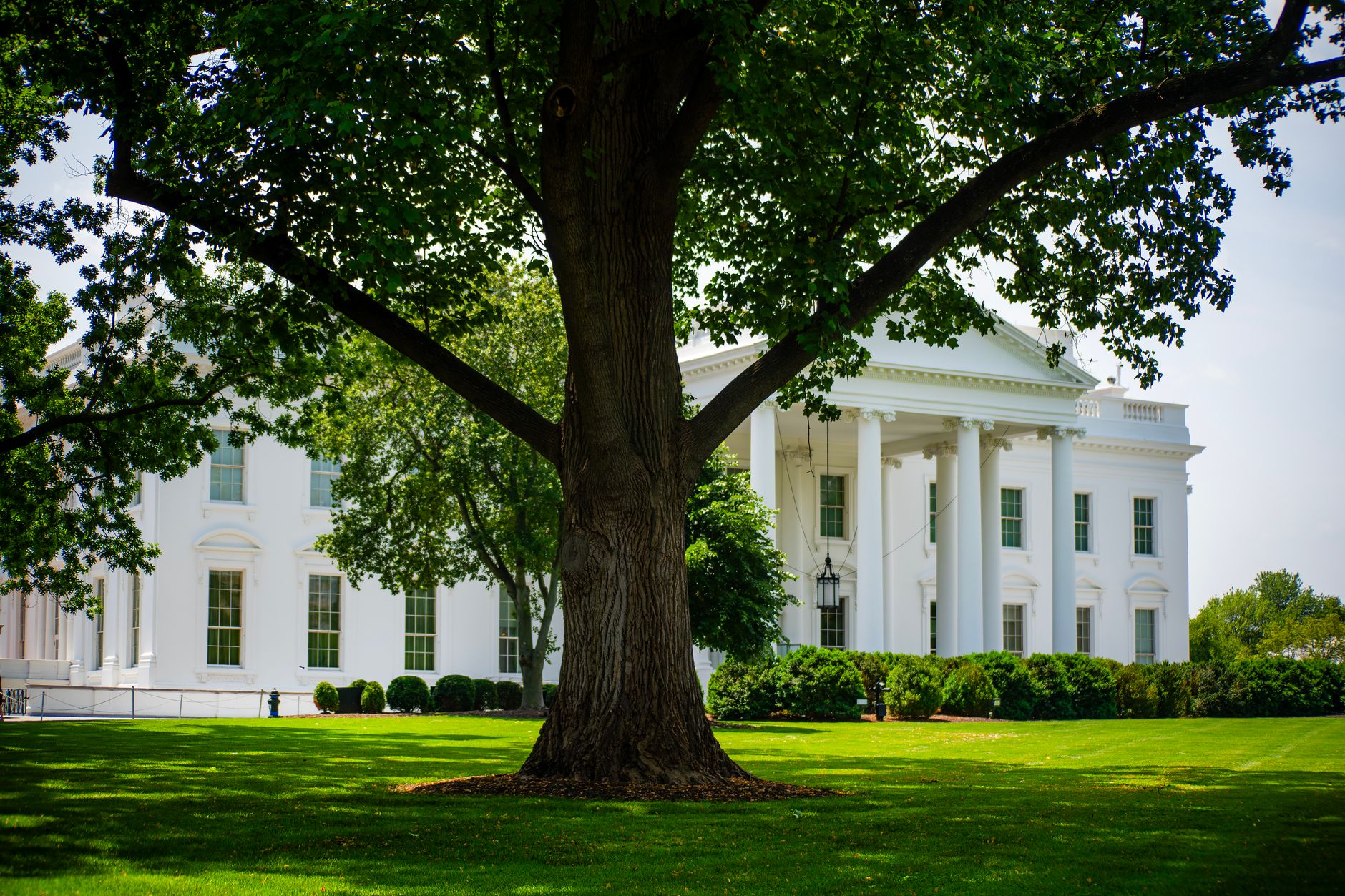
In a bold yet contentious move, the Trump administration has unveiled a proposal that could reshape the landscape of American scientific research. This new rule seeks to place the authority over federal science funding squarely in the hands of political appointees, a shift that has sent ripples of concern through the scientific community.
Critics warn that such a change could spell disaster for fields like climate science, where funding decisions might skew towards political expediency rather than empirical merit. The potential for political interference, they argue, threatens the very fabric of scientific integrity that underpins critical research initiatives.
For years, federal grants have been a lifeline for scientific endeavours, facilitating breakthroughs that have propelled American science to the forefront of global innovation. However, researchers now fear that these lifelines might be severed or strategically redirected.
The Battle for Scientific Independence
Scientists across the United States are rallying against what they perceive as an existential threat to their work. Organising under various coalitions, they are preparing to contest the rule, with legal challenges and public campaigns being marshalled to safeguard the independence of scientific inquiry.
Dr Jane Wilson, a prominent climate scientist, remarked, "This isn't just about funding; it's about maintaining the objectivity and credibility of research that affects policy decisions on a global scale." Her sentiments echo throughout the academic world, where many view this as a pivotal moment for the integrity of scientific discourse.
Implications and the Way Forward
The implications of this rule, should it come into effect, are profound. It could lead to a chilling effect, discouraging young researchers from pursuing careers in fields perceived as politically contentious. Furthermore, the international standing of American science could suffer, as collaborations with global partners might be strained by fears of politicised research agendas.
As the debate intensifies, the scientific community is calling for transparency and accountability in the decision-making process. They argue that science, by its very nature, should transcend political boundaries and focus on the advancement of knowledge for the common good.
The coming months will be crucial, as stakeholders watch closely to see whether scientific independence can withstand this latest challenge. The outcome will not only shape the future of American research but could also set a precedent for how science is valued and protected worldwide.