Unexpected Genetic Code Found: Scientists Rethink Life's Basics
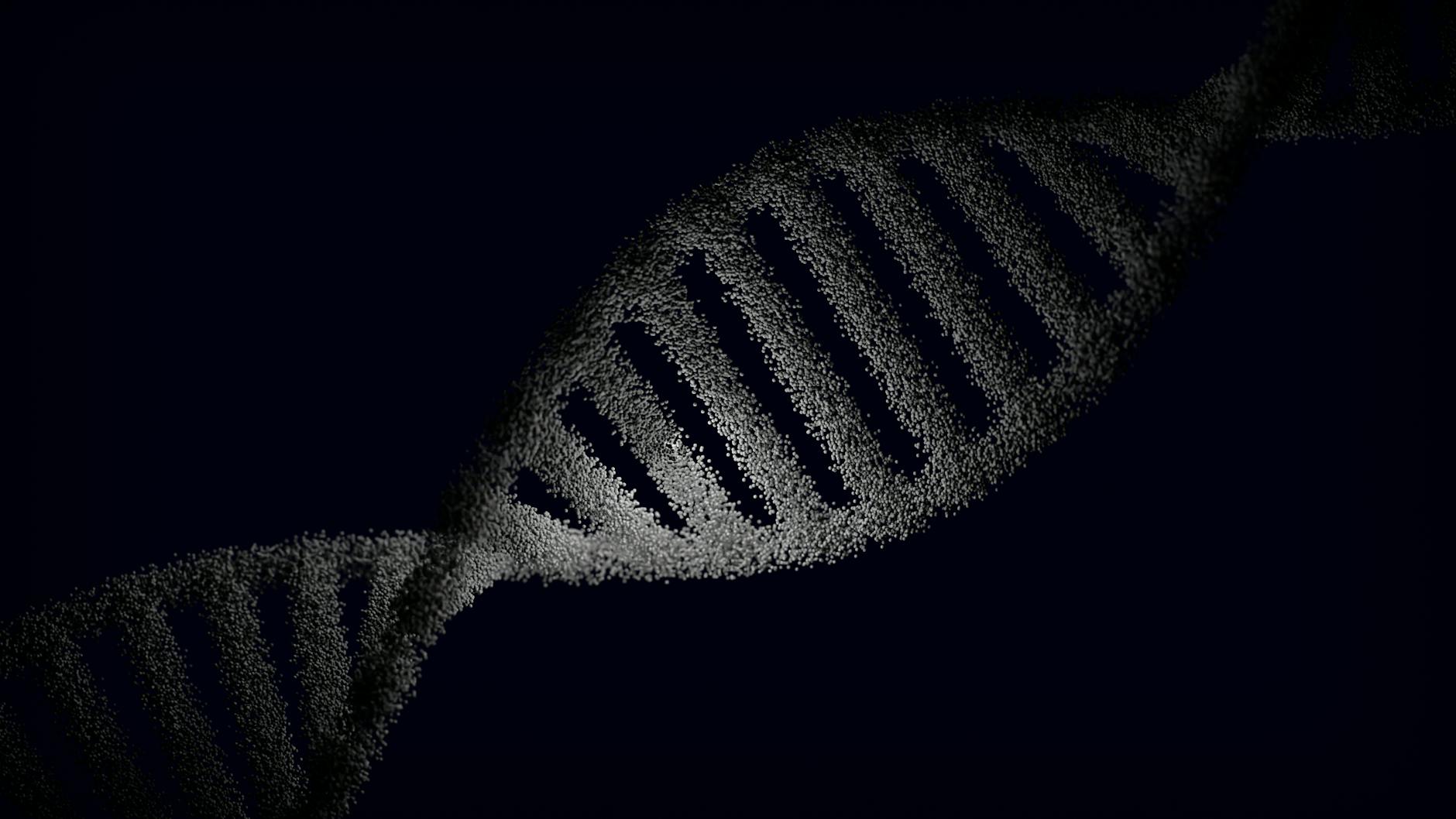
It was a scientific accident of the most intriguing kind. Deep within the laboratories of the Earlham Institute, a routine test aimed at refining single-cell DNA sequencing methods has yielded a result that could upend textbook biology. Researchers, while examining a common pond-dwelling microscopic protist, stumbled upon a genetic anomaly that defies the fundamental rules of life.
Conventional wisdom has long held that the genetic code—a set of rules by which DNA is translated into proteins—operates under a universally fixed system. However, the newly discovered organism appears to have rewritten the biological script. It substitutes two of biology's genetic stop signals, traditionally telling cells to cease protein synthesis, to instead code for amino acids.
A Paradigm Shift in Genetic Understanding
This groundbreaking discovery suggests that the genetic code is not as rigid as once thought. The implications are profound, hinting at a heretofore unimagined flexibility in the foundations of life. “This organism challenges our understanding of genetic coding, suggesting that life's blueprint is more versatile than we've appreciated,” remarked Dr. Emily Carter, lead researcher on the project.
The revelation was part of routine explorations into novel sequencing techniques, underscoring how serendipity often plays a role in scientific advancement. The protist, a ciliate species, was initially being studied for other reasons when its unique genetic structure became evident.
Implications for Future Research
The discovery opens new avenues for research, particularly in the field of synthetic biology, where understanding and manipulating genetic codes are crucial. It also raises questions about how many other organisms might possess similarly unconventional genetic structures, potentially rewriting the evolutionary narrative.
While the full implications of this finding are still being explored, the scientific community has been quick to recognise its significance. It serves as a reminder that the natural world still harbours secrets waiting to be uncovered, and that sometimes, breaking the rules can lead to the most enlightening discoveries.