Unexpected Treasures: Major Discoveries in Museum Backrooms
In the shadowy corners of museum backrooms, where dust and forgotten relics reside, scientists are unearthing discoveries that could alter the tapestry of our understanding. These unexpected finds, often stumbled upon while cataloguing or reorganising, are not just curiosities; they are rewriting chapters of history and science.
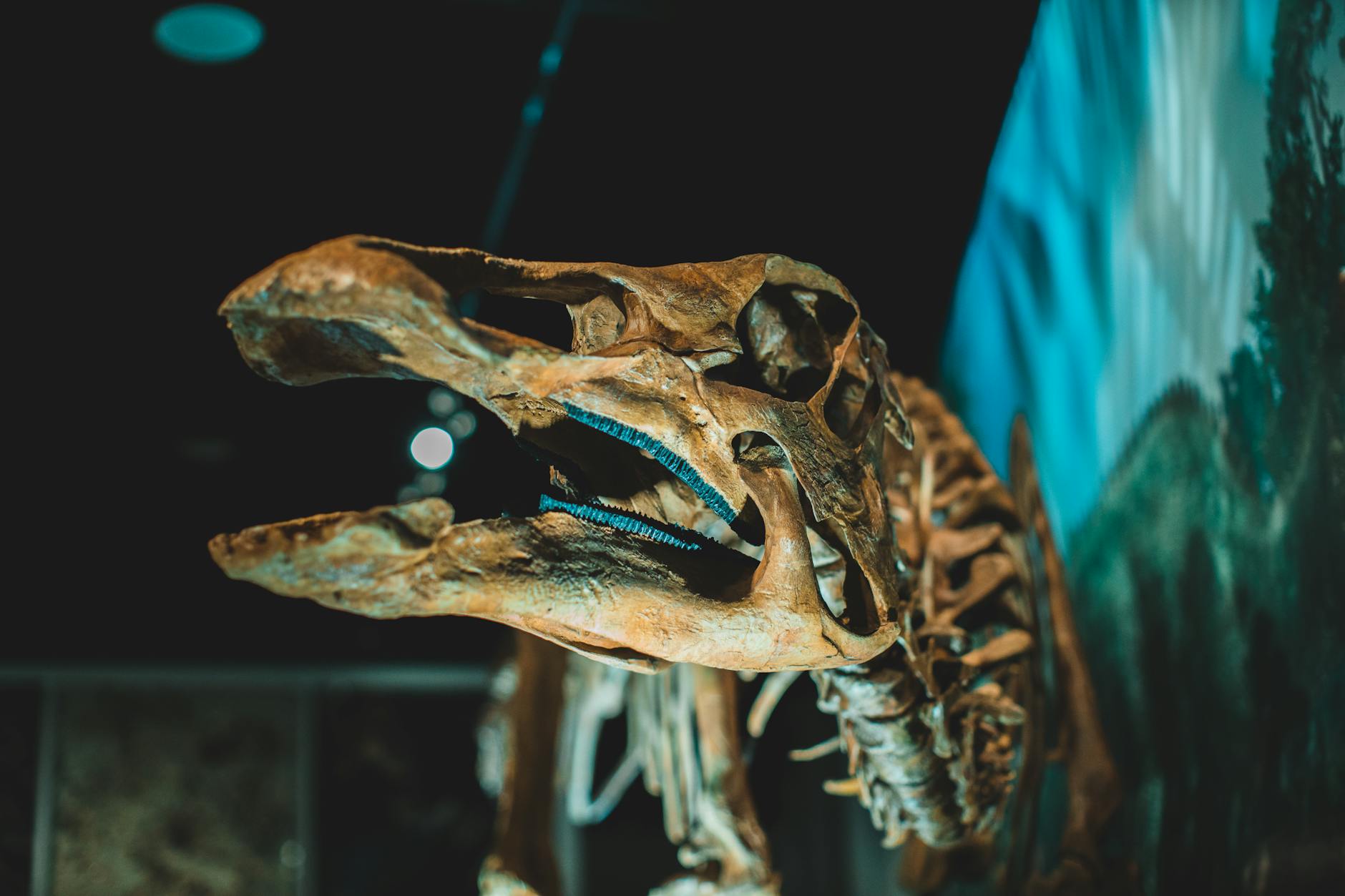
One might imagine that the great revelations of science occur in sparkling laboratories or during daring expeditions. Yet, increasingly, it's the unassuming museum storerooms that are stealing the limelight. Recently, a set of fossils, long misidentified and shelved without much ado, have been recognised as a new species of dinosaur, providing fresh insights into prehistoric life.
Such discoveries are not mere flukes. They underscore a vital truth: much of our past lies in wait, hidden in plain sight, biding its time until a keen eye spots its significance. This phenomenon has prompted museums worldwide to revisit their archives, employing modern technology to scrutinise collections in ways unimaginable to their original curators.
Unveiling the Past
The implications of these findings extend far beyond academia. They challenge long-held assumptions and encourage a re-evaluation of established narratives. As museums dust off their shelves, they are becoming unexpected epicentres of innovation, where history, science, and technology converge.
Notably, these discoveries are not confined to natural history alone. In the field of archaeology, for instance, overlooked artefacts have shed new light on ancient civilisations, revealing trade routes and cultural exchanges previously unconsidered.
The lesson here is clear: the past has more to offer, if only we take the time to look. As scientists delve deeper into these treasure troves, who knows what other secrets await discovery in the quiet, unassuming corners of our museums?