Unravelling the Brain: Born Full, Learnt Lean
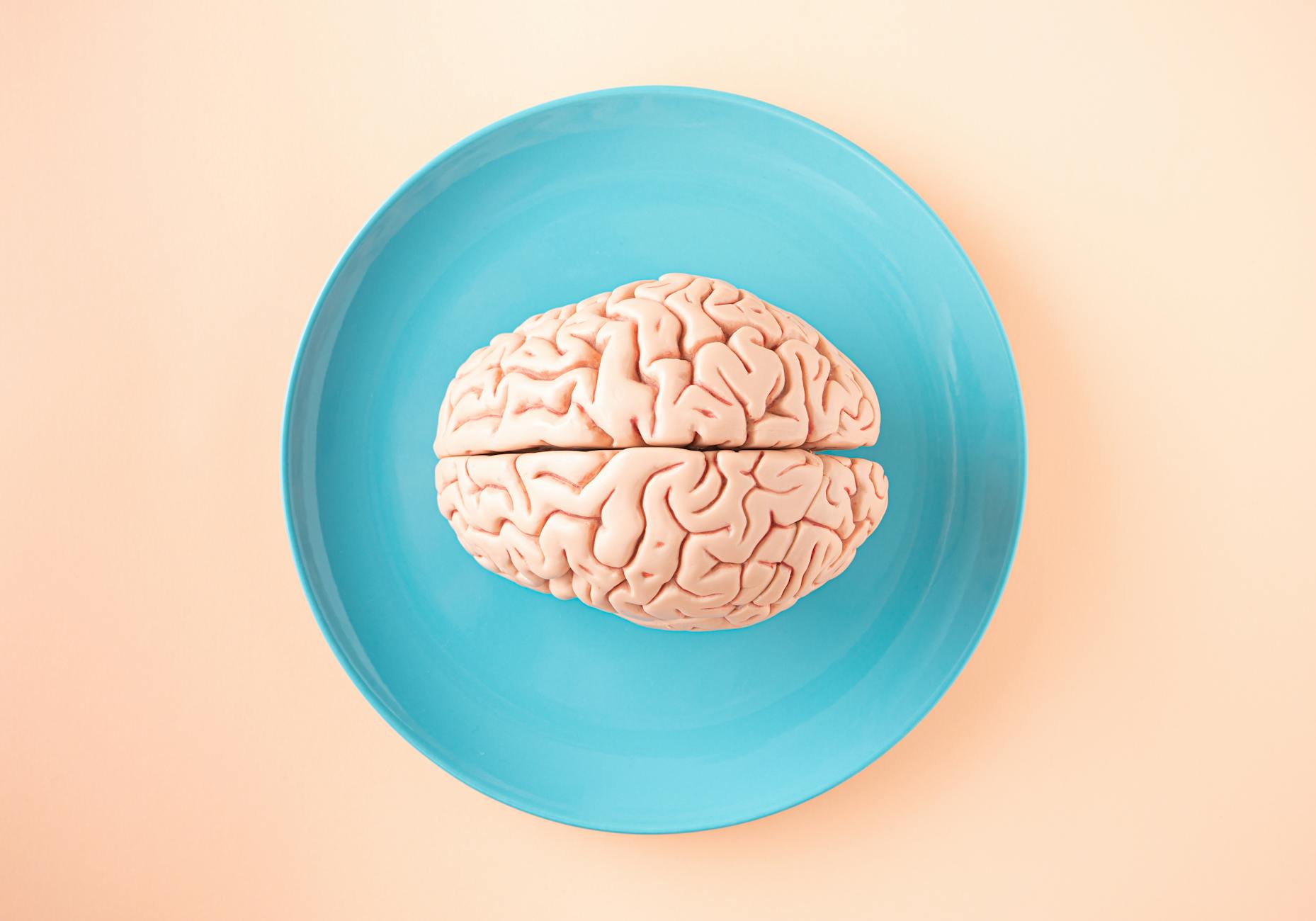
In a revelation that could reshape our understanding of cognitive development, scientists at the Institute of Science and Technology Austria have uncovered that the brain begins its journey not as a blank slate but as an intricate tapestry, teeming with neural connections. This dense network, observed in the hippocampus of mice, suggests that our cerebral beginnings are far from empty.
For decades, the prevailing notion was that the brain started life as a tabula rasa, a blank canvas ready to be painted with the colours of experience. However, this new study posits that the brain may actually commence its existence 'too full', with a mass of seemingly random connections.
Such a finding is not just a curiosity but a profound insight into how our brains optimise themselves. The process, akin to sculpting, involves the brain pruning away excess synapses, retaining only those pathways reinforced by experience and learning. This 'use it or lose it' mechanism is crucial for efficient cognitive function, allowing for the refinement of skills and the honing of memory.
Challenging Old Assumptions
The implications of this research are widespread. It challenges the long-held view that the brain's development is solely a process of building up. Instead, it appears to be a dynamic balance of construction and deconstruction, where the brain's early overabundance is a strategic reserve, ready to be tailored by life's encounters.
Dr. Karl Friston, a leading neuroscientist not involved in the study, remarked, "This discovery prompts us to reconsider the metaphors we use for brain development. It’s less about writing on a blank slate and more about editing a crowded manuscript."
Yet, the study's findings do not only pertain to theoretical musings. They hold potential implications for understanding developmental disorders. Conditions like autism may involve disruptions in this pruning process, leading to an excess of neural connections that affect cognitive function.
Future Directions
Looking forward, researchers aim to delve deeper into how environmental factors influence the brain's initial neural overload and subsequent trimming. Understanding the precise mechanisms could pave the way for interventions that support healthy brain development.
While this study may have focused on mice, the fundamental principles of neural development are likely to hold true across species, including humans. As we learn more, it becomes increasingly evident that our brains are not passive recipients of experience but are actively sculpted by it.