Unseen Forces Reshaping America's Terrain
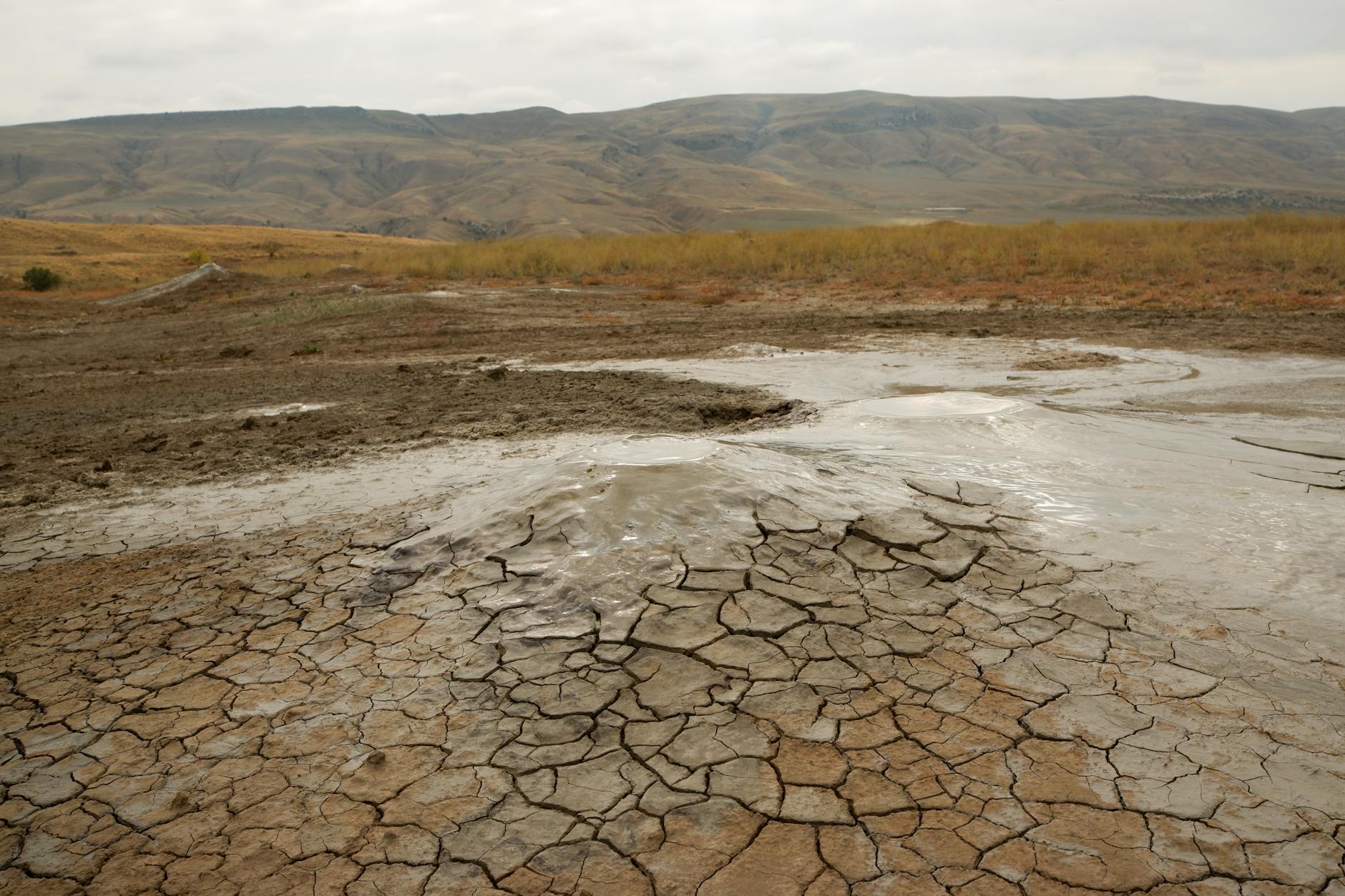
As one gazes upon the sweeping vistas of the American West, it's easy to become entranced by the grandeur of nature's handiwork. Yet, beneath this stunning facade, subtle and often overlooked forces are at play, quietly reshaping the nation's landscapes in ways that are as profound as they are unexpected.
While the Grand Canyon frequently steals the spotlight, a testament to erosion's might, less apparent processes such as weathering are diligently at work across the continent. This silent sculptor gradually breaks down rock, creating unusual formations like those found in the Bisti/De-Na-Zin Wilderness of New Mexico. Such transformations remind us that the earth is a living, breathing entity, its landscapes moulded over millennia by both natural phenomena and human activity.
The Role of Weathering and Erosion
Weathering plays a pivotal role in this ongoing transformation. Unlike the dramatic sweep of a canyon carved by a mighty river, weathering operates with a quiet persistence. It softens the sharp edges of mountains, rounds river stones, and even contributes to the formation of fertile soil. As rocks are broken down into smaller particles, they gradually change the face of the land.
Erosion, a close cousin to weathering, continues the process, whisking away the remnants of weathered rock through wind, water, and gravity. This, too, has its dramatic examples, but often its work is subtle, sculpting hillsides and redepositing earth in new locations, creating entirely different ecosystems over time.
Human Influences and the Future
Yet, it’s not only nature that shapes the land. Human intervention has increasingly played a crucial part. Urban development, agriculture, and deforestation can accelerate erosion, dramatically altering landscapes within decades rather than millennia. These activities highlight the delicate balance between preserving natural beauty and meeting the demands of an ever-growing population.
Understanding these processes is vital for future planning. Communities across the United States are beginning to harness this knowledge, using it to anticipate changes and mitigate potential disasters. By studying the past, they can better prepare for the unpredictabilities of the future, ensuring that the landscapes that define America can be enjoyed for generations to come.