Webb Telescope Witnesses Exoplanet's Fiery Orbit
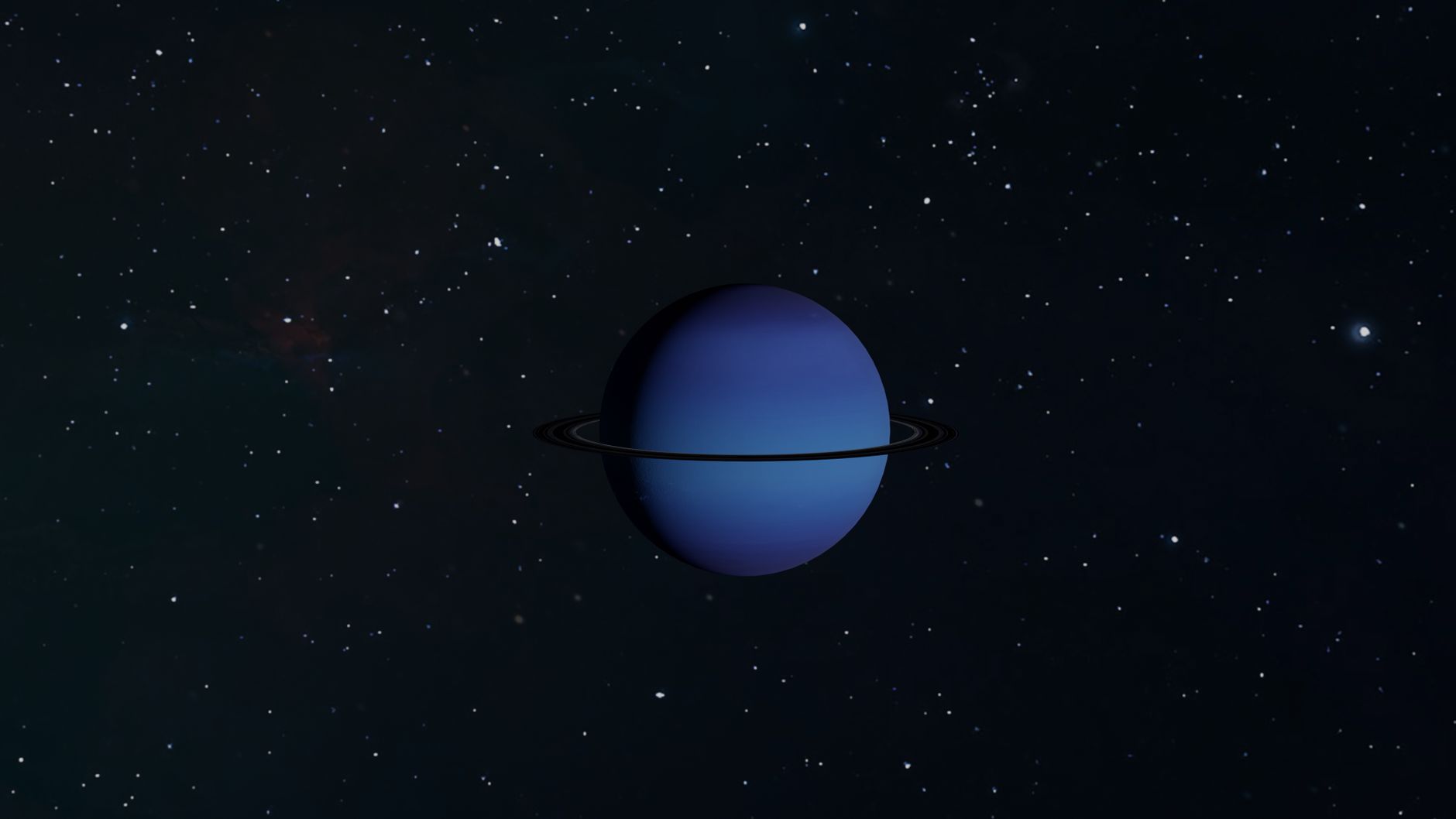
In a cosmic ballet that defies the placid rhythm of our own solar system, the James Webb Space Telescope has captured HD 80606 b, an exoplanet, in the throes of its fiery orbit. This gas giant, a behemoth four times the mass of Jupiter, is subject to a celestial roasting as it swings perilously close to its Sun-like star.
What sets HD 80606 b apart is its highly eccentric orbit, a path that would be the envy of any rollercoaster designer. As it nears its star, the planet's atmosphere heats up dramatically, reaching temperatures that could easily melt lead. These observations, shared by researchers just days ago, provide a rare glimpse into the violent atmospheric dynamics of distant worlds.
The exoplanet's nickname, the "roasted exoplanet", is well-earned. NASA has even gone so far as to create a movie poster depicting its hellish environment. But beyond the theatrics, the scientific community is abuzz with the implications of these findings. Such extreme temperature fluctuations hint at complex atmospheric reactions, potentially offering a window into the climatic conditions of other gas giants far from our own celestial neighbourhood.
Revelations from Webb
The James Webb Space Telescope, with its unparalleled ability to peer into the cosmos, has once again proven its worth. By analysing the light spectrum emitted by HD 80606 b, scientists can infer the composition and behaviour of its atmosphere. This data is invaluable, helping astronomers piece together the puzzle of how such planets form and evolve.
HD 80606 b's extreme orbit is thought to be the result of a gravitational tug-of-war with a companion star, a cosmic dance that sends it careening towards its host star at alarming speeds. As it does so, the planet's temperature spikes, a phenomenon that researchers are eager to study in detail.
Implications for Exoplanet Research
Understanding HD 80606 b's atmospheric dynamics could have far-reaching implications. By studying such extreme environments, scientists hope to refine their models of atmospheric physics, potentially unlocking secrets applicable to other exoplanets. The findings could also inform the search for habitable worlds, as they provide a stark contrast to the conditions necessary for life as we know it.
As Webb continues its mission, the promise of new discoveries looms large. Each observation brings us closer to understanding the myriad worlds that populate our galaxy, shedding light on the complexity and diversity of planetary systems beyond our own.