Why Mosquitoes Favour Some People Over Others
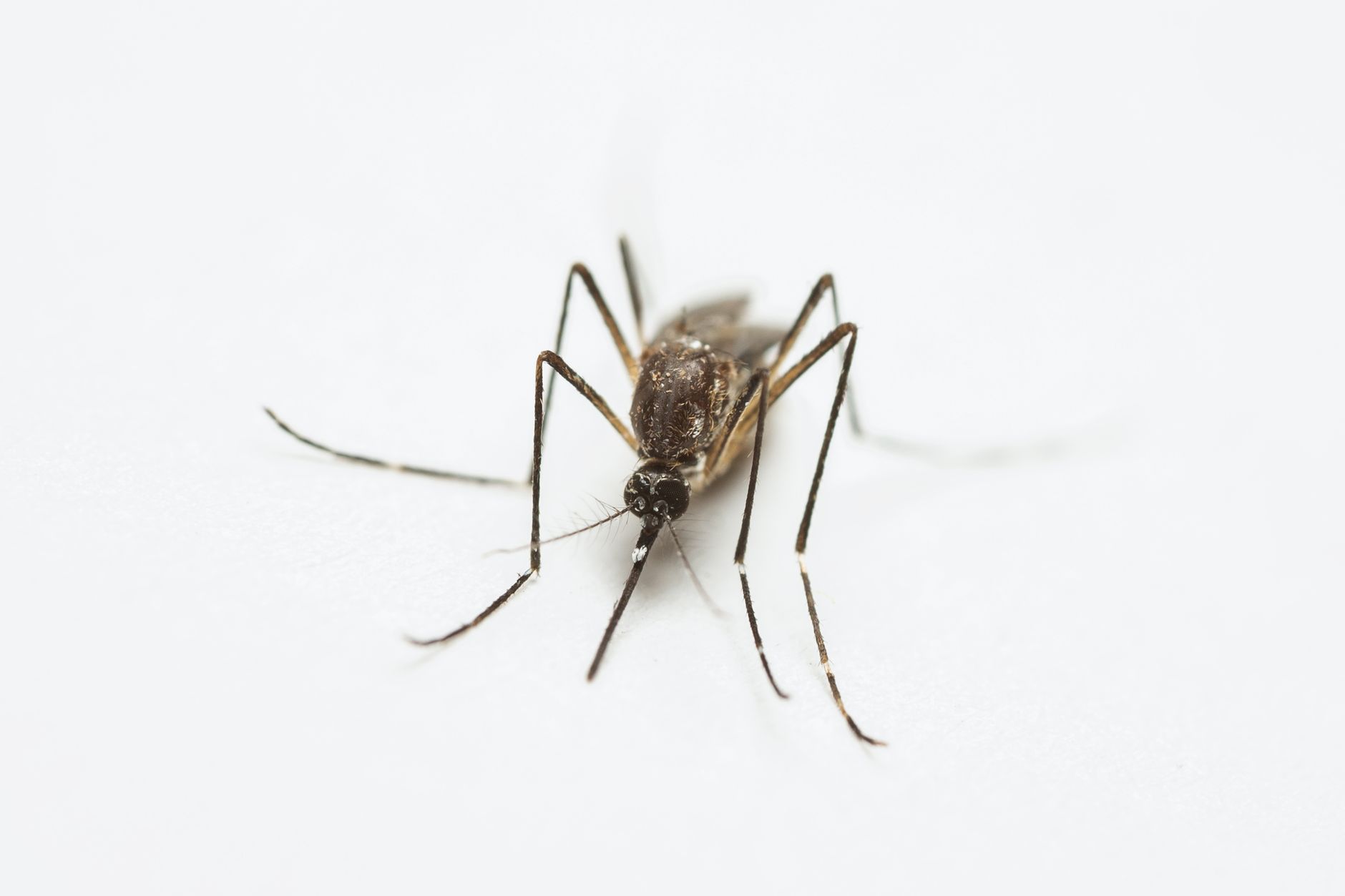
As the summer dusk descends, many find themselves swatting at unseen foes. The humble mosquito, that ubiquitous summer pest, has long been a source of both irritation and intrigue. Scientists have now shed light on why these insects seem to target some individuals with a ferocity that borders on obsession.
Recent studies reveal that mosquitoes are not indiscriminate biters. Instead, they exhibit a marked preference for those whose natural body odour is particularly enticing. This olfactory allure is not linked to the more obvious characteristics of skin or hair colour, but rather to the complex cocktail of chemicals that each person's body naturally emits.
The Odour Enigma
Dr. Maria De Obaldia and her team have conducted experiments that demonstrate this phenomenon. By exposing mosquitoes to nylons worn by different people, they noted a distinct gravitation towards some samples over others. This suggests that the underlying cause is rooted in individual scent profiles. The implications are significant, especially in regions where mosquito-borne diseases like malaria and dengue fever are rampant.
The research underscores the importance of understanding these scent signatures. If scientists can decode the chemical compounds that make some people more attractive to mosquitoes, it may be possible to develop new forms of repellent that can mask these odours, thereby reducing the risk of bites and the diseases they spread.
Beyond the Bite
While the mosquito's preference might seem trivial to some, it holds critical importance in the wider context of public health. In many parts of the world, a mosquito bite is more than just a nuisance; it can be life-threatening. By better understanding these preferences, scientists are paving the way for more effective interventions.
This research not only adds a new dimension to our understanding of mosquito behaviour but also highlights the complex interplay between humans and the natural world. As we continue to battle these tiny adversaries, the hope is that such insights will lead to fewer bites and, ultimately, fewer deaths.