Why Mosquitoes Prefer Some People: Insights on World Malaria Day 2026
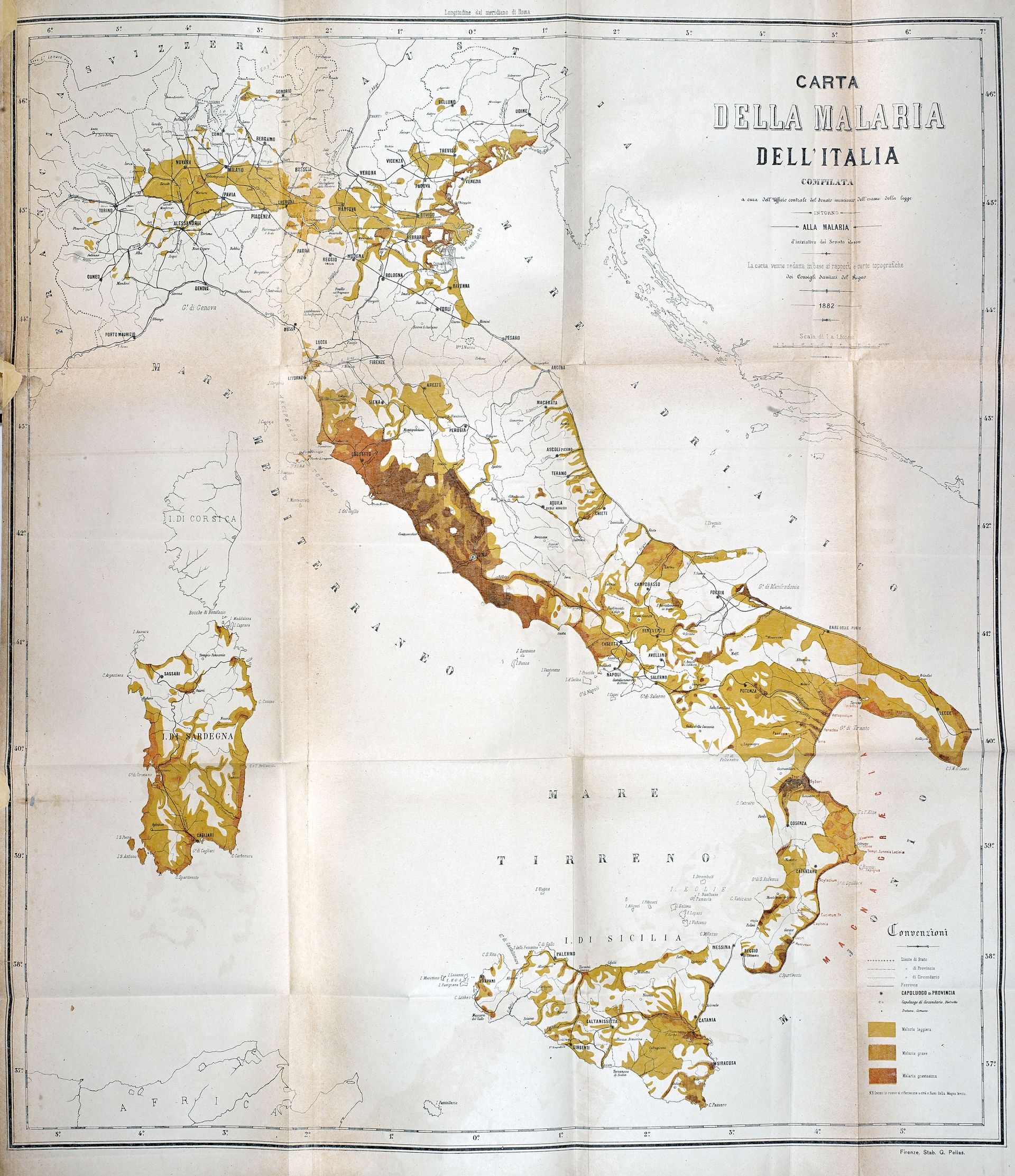
As the world marks World Malaria Day 2026, the persistent buzz of mosquitoes remains more than just a nighttime nuisance for many. Dr. Priya Mehta, a leading entomologist, explains that the science of mosquito attraction is both complex and intriguing. 'Some people seem to be mosquito magnets,' she notes with a wry smile. But is this merely anecdotal, or is there science backing these claims?
According to recent research, it's a combination of factors that draws mosquitoes to certain individuals like moths to a flame. Body odour, the amount of carbon dioxide exhaled, and even the specific bacteria living on one's skin can make some people more appealing targets. 'Women and men who emit more heat or have higher body temperatures tend to attract more mosquitoes,' Dr. Mehta elaborates.
The Science Behind the Buzz
While most of us might find the incessant bites bothersome, in many parts of the world, they are a matter of life and death. Only the female Anopheles mosquito can transmit malaria, a disease that still claims hundreds of thousands of lives annually. This tiny predator needs blood to lay eggs, and in doing so, it can pass on the malaria parasite to its human host.
Understanding the behaviour of mosquitoes is crucial in the global fight against malaria. The World Health Organisation has highlighted the importance of scientific advancements in mosquito control and malaria prevention. With better data and improved drugs, the fight against malaria is more robust than ever.
Urban vs Rural: The Spread of Malaria
The spread of malaria varies significantly between urban and rural settings. Urban areas, with their concrete jungles and reduced vegetation, often see lower mosquito populations. In contrast, rural regions, with stagnant water and dense greenery, provide ideal breeding grounds for mosquitoes. This geographic disparity necessitates tailored strategies in tackling malaria.
On this World Malaria Day, the message is clear: science can lead the way in eradicating malaria. But it requires a concerted effort from governments, health organisations, and individuals alike. As we learn more about why mosquitoes prefer certain individuals, we edge closer to understanding how to outsmart these vectors of disease.