Why Some People Are Irresistible to Mosquitoes
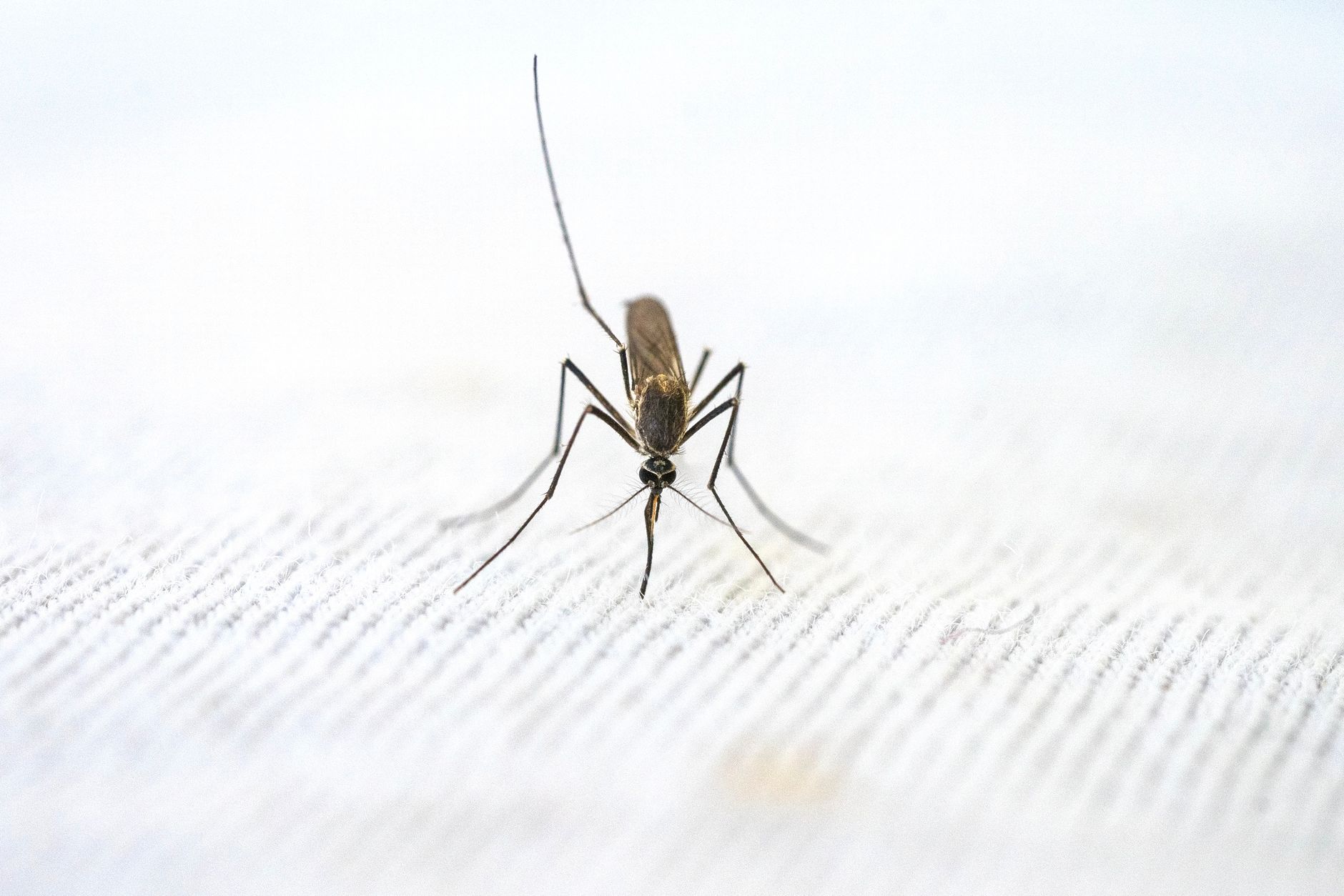
It seems the unfortunate few whom mosquitoes find irresistibly attractive can finally have their suspicions scientifically validated. British researchers have delved into the peculiar chemistry that determines why these winged pests favour some more than others. The findings are as intriguing as they are complex.
The Genetic Connection
Genetics, it appears, plays a pivotal role. Specific genetic markers can make some individuals more enticing to mosquitoes. This isn't merely about blood type, though that too can influence a mosquito's choice. It's a deeper dive into our DNA that dictates how our bodies produce certain chemicals and odours.
The study highlights that people with higher concentrations of certain acids on their skin are more likely to fall prey to these bloodsuckers. These acids, produced naturally by our body, create an inviting olfactory sensation for mosquitoes.
Beyond the Obvious
However, it's not just what's in your genes or on your skin. Lifestyle factors, such as diet and clothing, also play a part. Wearing dark clothing, for instance, can attract mosquitoes, as they are drawn to heat and carbon dioxide. Moreover, certain foods can alter body odour, making some individuals more appealing.
The bacteria residing on one's skin, often overlooked, are also significant. Different bacterial compositions create varied body odours, some of which are more attractive to mosquitoes. It's a fascinating insight into the microbial world that coexists with us.
Implications for Public Health
Understanding these factors is not merely of academic interest. Mosquitoes are vectors for deadly diseases such as malaria, dengue, and Zika. With climate change expanding their habitat, the importance of knowing how and why they choose their victims has never been greater. Such insights could lead to more effective repellents or interventions, potentially saving millions of lives.
So, next time you find yourself swatting away these persistent insects while others remain unscathed, take solace in knowing it's not personal—it's just in your genes.